Mannanase Enzyme Solutions Endo-1,4-β-Mannanase supports mannan-containing biomass processing by reducing viscosity, opening hemicellulose networks, and improving hydrolysis access in enzyme-assisted biorefining workflows.
Request pricingMannan-rich hemicellulose can behave like a process brake in biomass streams. It increases liquor viscosity, binds water, restricts mass transfer, and can shield cellulose from broader hydrolysis enzyme systems.
Buying for a plant or for resale? We supply mannanase for biomass and side-stream processing to plants, technology developers and resellers on a quote basis; send the feedstock, quantity and destination. Request a quote.
Mannanase Enzyme Solutions supplies Endo-1,4-β-Mannanase in bulk to biorefineries, bioprocess developers and the distributors who serve them, as a targeted support enzyme for mannan-containing feedstocks and side streams. It cleaves internal β-mannan structures to help open dense fiber networks, improve slurry handling, and support more efficient carbohydrate release as part of a complete pretreatment and hydrolysis strategy.
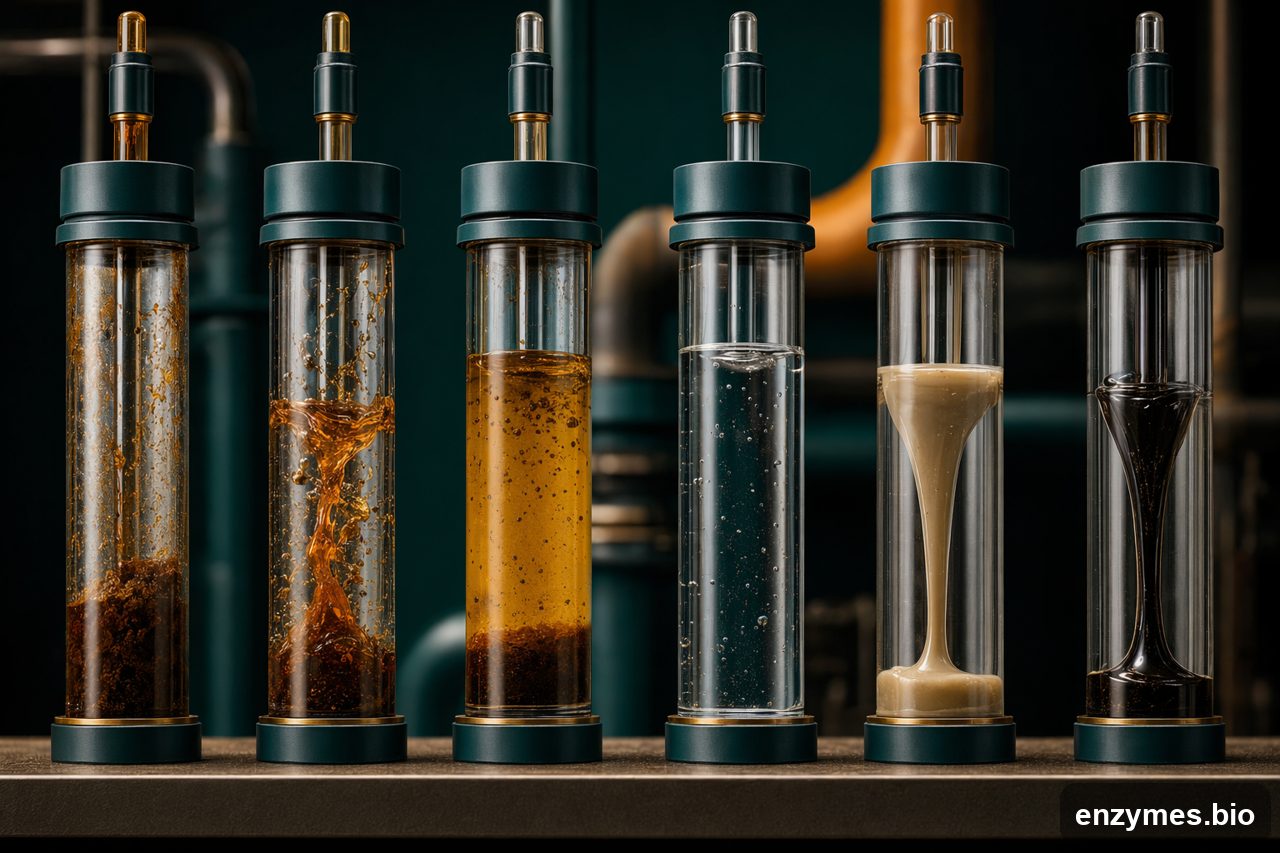
Mannanase Enzyme Solutions is designed for process teams working with biomass fractions where galactomannan, glucomannan, or related mannan structures contribute to viscosity or incomplete hydrolysis.
Typical application areas include:
Mannanase Enzyme Solutions is not positioned as a universal biomass solution. It is most valuable when mannan is a measurable contributor to viscosity, fiber occlusion, or poor enzymatic access.
Endo-1,4-β-Mannanase hydrolyzes internal linkages within β-mannan chains. In industrial biomass systems, that targeted action can help convert highly entangled hemicellulose into shorter, more mobile fragments.
Process-relevant effects may include:
The outcome depends on substrate composition, pretreatment history, solids profile, pH, temperature, residence time, and the full enzyme system used.
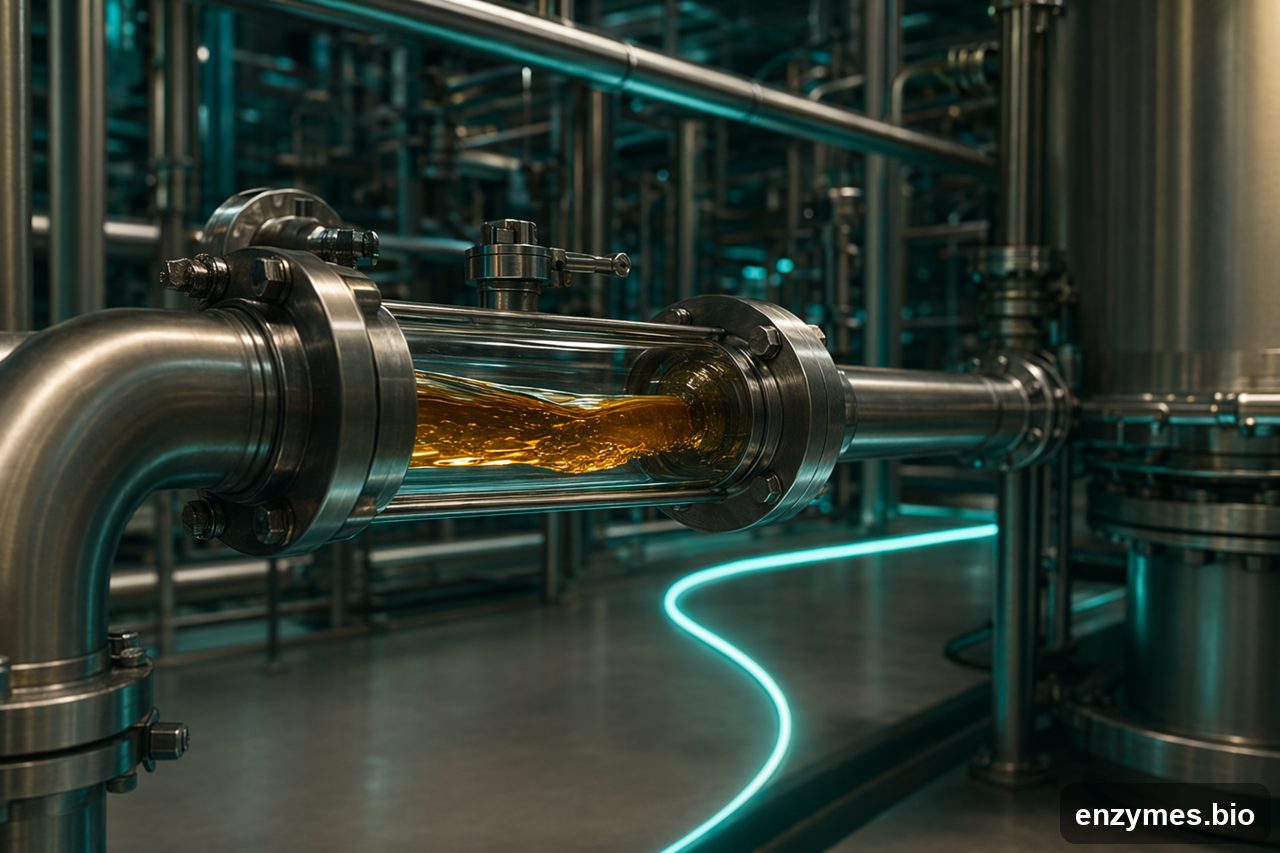
Biomass conversion rarely depends on a single enzyme. Mannanase Enzyme Solutions is typically evaluated alongside cellulases, xylanases, β-glucosidases, β-mannosidases, and other accessory hemicellulases.
In a well-designed enzyme strategy, mannanase can help remove a specific structural constraint so the rest of the hydrolysis system works with less resistance. This is especially important when biomass contains mixed polysaccharides that form dense, water-retentive networks.
Mannanase Enzyme Solutions can be screened in workflows such as:
After physical or chemical pretreatment
To support hemicellulose opening and reduce liquor viscosity before or during main hydrolysis.
During enzyme hydrolysis
As an accessory enzyme in a broader blend where mannan limits mass transfer or sugar release.
Before separation or concentration
Where viscosity reduction may improve filtration, centrifugation, evaporation, or membrane handling.

In side-stream valorization
For mannan-rich residues being converted into soluble hydrolysates, fermentable streams, or upgraded process intermediates.
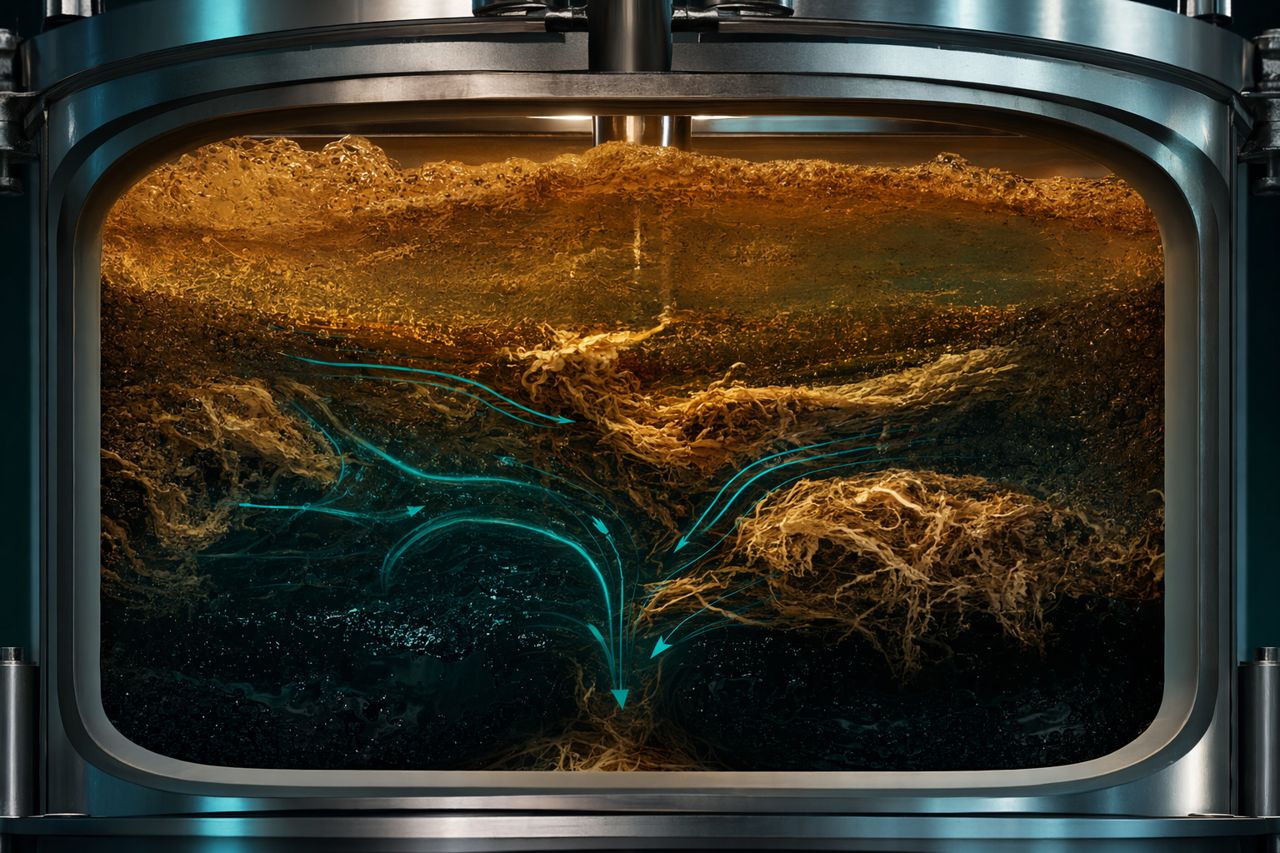
Mannan-rich streams can create thick, elastic, and difficult-to-mix slurries. Mannanase Enzyme Solutions helps break down the hemicellulose structures responsible for that behavior, supporting more predictable handling and better equipment utilization.
By opening mannan-containing fiber networks, Mannanase Enzyme Solutions can improve access for companion enzymes. This can support higher carbohydrate conversion where mannan is part of the physical barrier.
Biomass lots vary. Seasonal source changes, pretreatment severity, and raw material blends can shift mannan contribution significantly. Mannanase Enzyme Solutions can be evaluated as a targeted control lever for mannan-driven process variability.
Lower viscosity and improved soluble fraction behavior may support downstream clarification, liquid-solid separation, concentration, and fermenter transfer. The practical value is process-specific and should be confirmed under operating conditions.
Consider Mannanase Enzyme Solutions evaluation when your biomass process shows one or more of the following:
A substrate compositional profile is useful, but operational symptoms often identify the bottleneck first.
Mannanase Enzyme Solutions supports structured formulation and process screening without forcing a one-size-fits-all recommendation.
A typical evaluation plan includes:
We focus on outcomes that matter to industrial teams: slurry behavior, conversion support, residence-time efficiency, downstream handling, and reliable supply fit.
For sourcing teams, Mannanase Enzyme Solutions can be supplied with documentation appropriate for industrial qualification. Available information may include product handling guidance, storage recommendations, safety documentation, specification alignment, and batch-to-batch quality controls relevant to the intended application.
Commercial discussions can cover:
We supply mannanase for biomass pretreatment and hydrolysis lines in bulk to manufacturers, distributors and resellers, on a quote-only basis. To get a grade recommendation and a price, send the product or application, the quantity (trial lot, monthly or annual volume), the destination country, and the process step where the enzyme will be added. Form and pack size are quoted per order, and we tell you which documents are available for that grade.

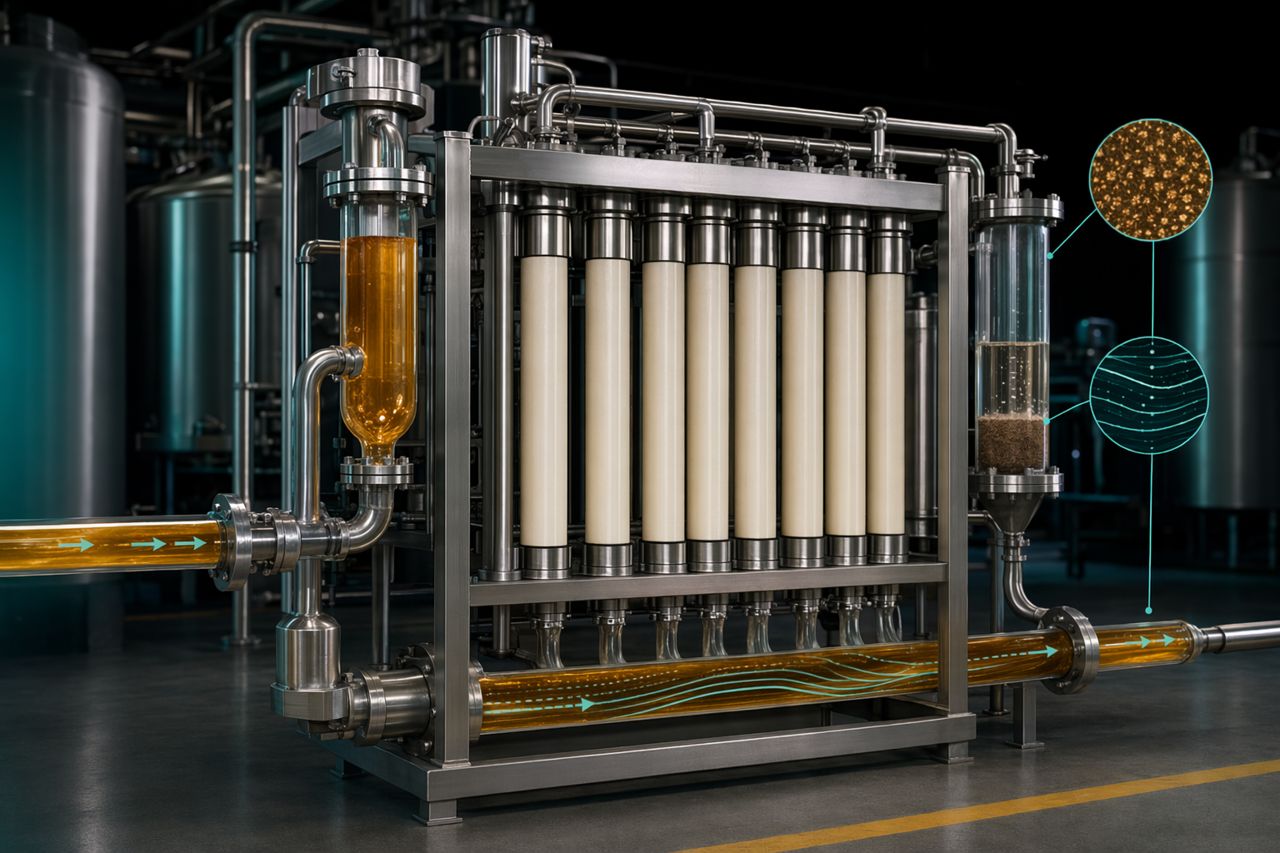
Precision mannan breakdown for smoother industrial flow.
Tell us your application and volume — we reply with pricing and lead time.
We have received your message. We will reply by email.