Endo-1,4-β-Mannanase supplied in bulk for guar gum hydrolysis and controlled viscosity reduction: where it fits, what to measure, and what to send for a quote.
Request pricingGuar gum is valuable because it builds viscosity fast. It is difficult for the same reason. Mannanase Enzyme Solutions supplies mannanase in bulk to guar processors, hydrocolloid and ingredient manufacturers, and the distributors who serve them, for controlled hydrolysis of guar and related galactomannan gums where a line needs lower viscosity, improved flow, reduced fouling, or a defined shift in polymer behavior.
Buying for a plant or for resale? We supply guar-hydrolysis mannanase to processors, formulators and resellers on a quote basis; send the gum type, quantity and destination. Request a quote.
Endo-1,4-β-Mannanase targets the β-1,4-mannan backbone within galactomannan structures. In practical processing terms, that means a dense, water-binding gum network can be opened into shorter, more mobile fractions without relying only on heat, mechanical shear, or harsh chemistry.
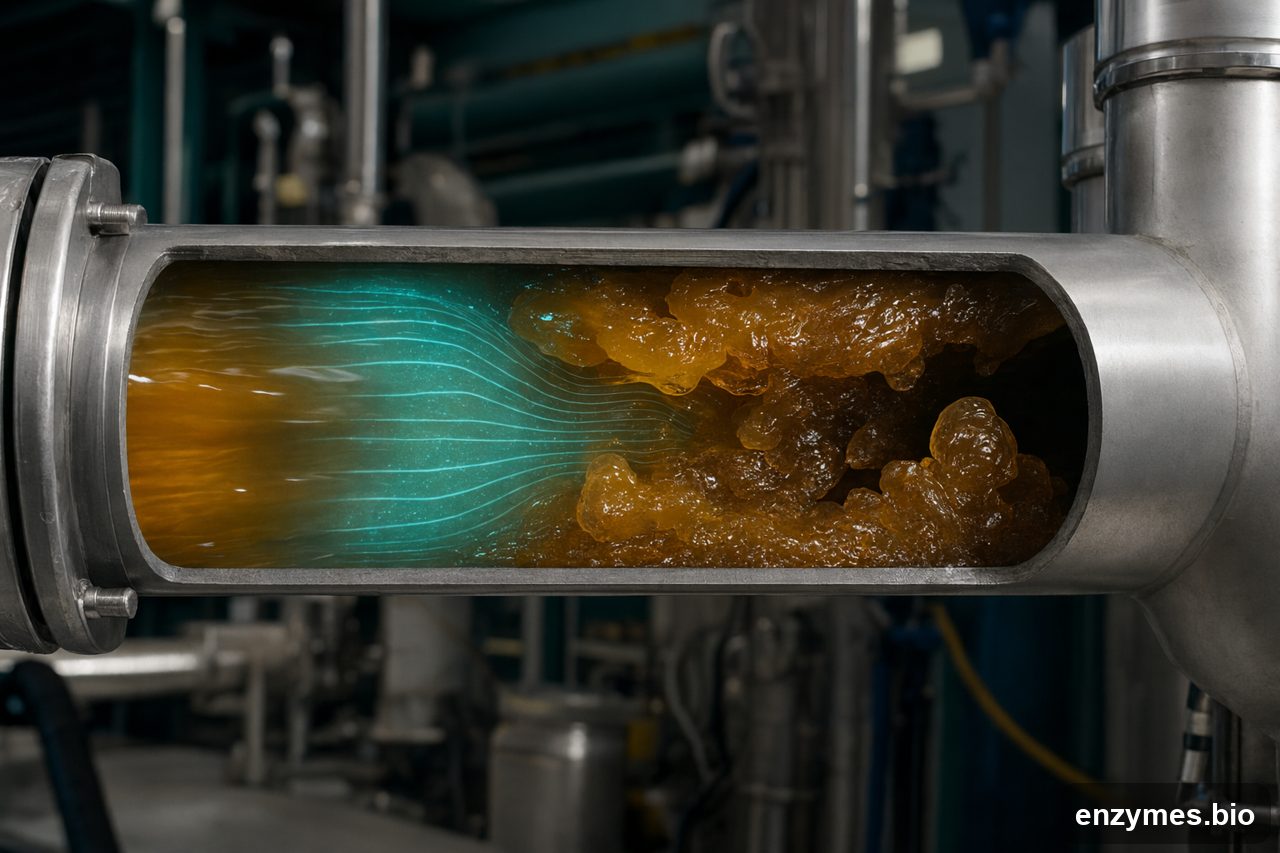
Guar gum is a galactomannan: a mannose-rich backbone carrying galactose side groups. Those long chains hydrate, entangle, and create high apparent viscosity even at low inclusion levels. Mannanase cleaves internal bonds along the backbone, reducing chain length and changing how the polymer holds water and resists flow. Mannanase also forms half of the xylanase-mannanase complex that a page on a hemicellulase supplier describes.
The industrial effect is not simply “destroying gum.” The useful outcome is controlled depolymerization: enough hydrolysis to meet the viscosity, pumpability, filtration, or downstream handling target while preserving the process attributes that still matter.
Mannanase is considered for guar gum and related galactomannan streams where high molecular weight material creates operational limits.
Common use cases include:

For sourcing and formulation teams, the target is rarely enzyme addition by itself. The target is a measurable processing result.
Typical project objectives include:
Mannanase performance depends on the actual matrix. Guar grade, hydration history, solids level, temperature profile, pH, ionic strength, shear, and hold time all affect the result. A clean buffer result does not automatically predict behavior in a plant stream.
When evaluating mannanase, define the operating window first:
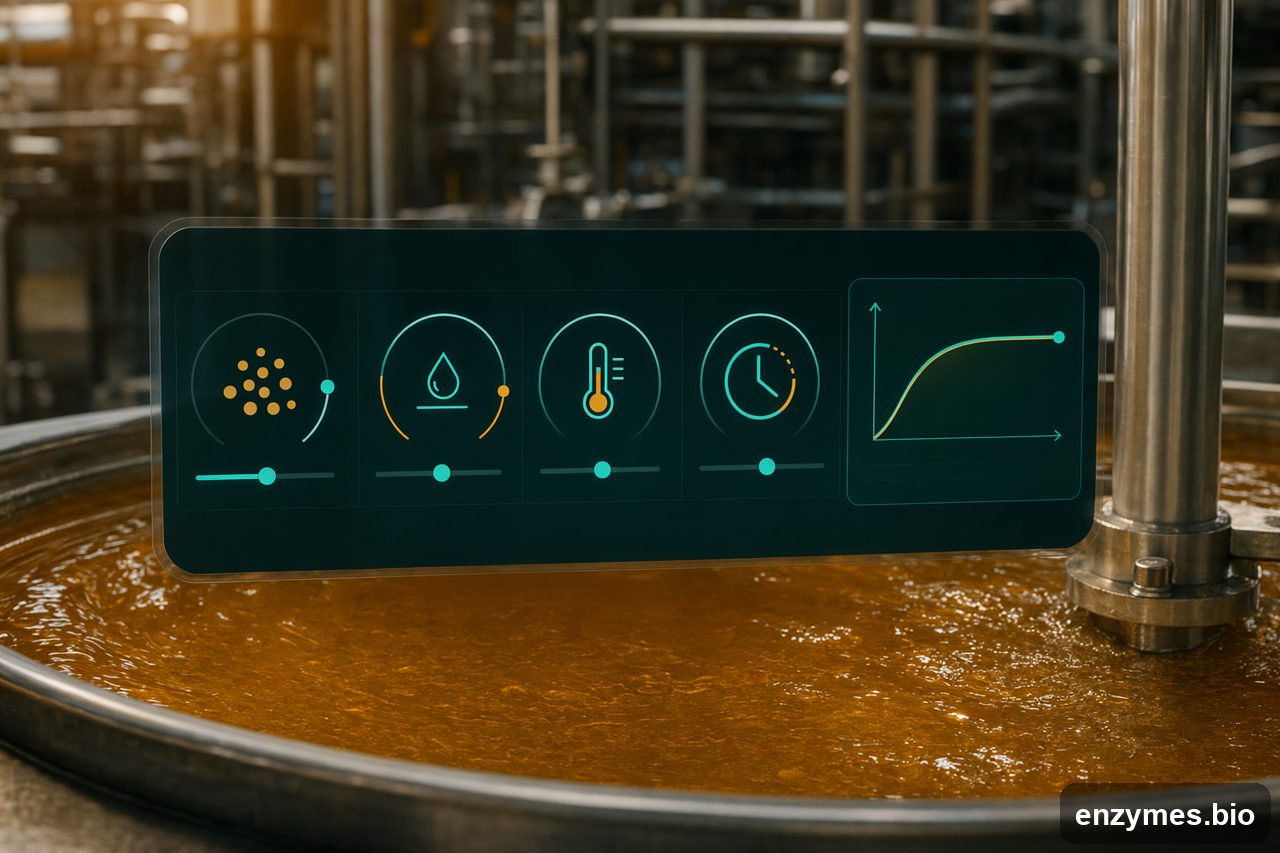
The best addition point is usually where the gum is hydrated enough for enzyme access but early enough to create operational value. In many systems, that means dosing after wet-out and before the most viscosity-sensitive transfer, separation, or finishing step.
For highly viscous batches, staged addition or improved mixing may be required. The goal is uniform enzyme contact, not localized over-hydrolysis near the dosing point. Where a fixed endpoint is critical, processors often pair time-temperature control with viscosity monitoring or a defined downstream inactivation step.
Mannanase can be a precise tool, but guar systems can change quickly once chain scission begins. A successful trial should establish both the effective range and the over-treatment boundary.
Key checks include:
We supply mannanase for guar and galactomannan streams to businesses buying for production or resale:
The grade is matched to your gum, hold time and stop point.
We supply mannanase for guar and galactomannan hydrolysis in bulk to manufacturers, distributors and resellers, on a quote-only basis. To get a grade recommendation and a price, send the product or application, the quantity (trial lot, monthly or annual volume), the destination country, and the process step where the enzyme will be added. Form and pack size are quoted per order, and we tell you which documents are available for that grade.

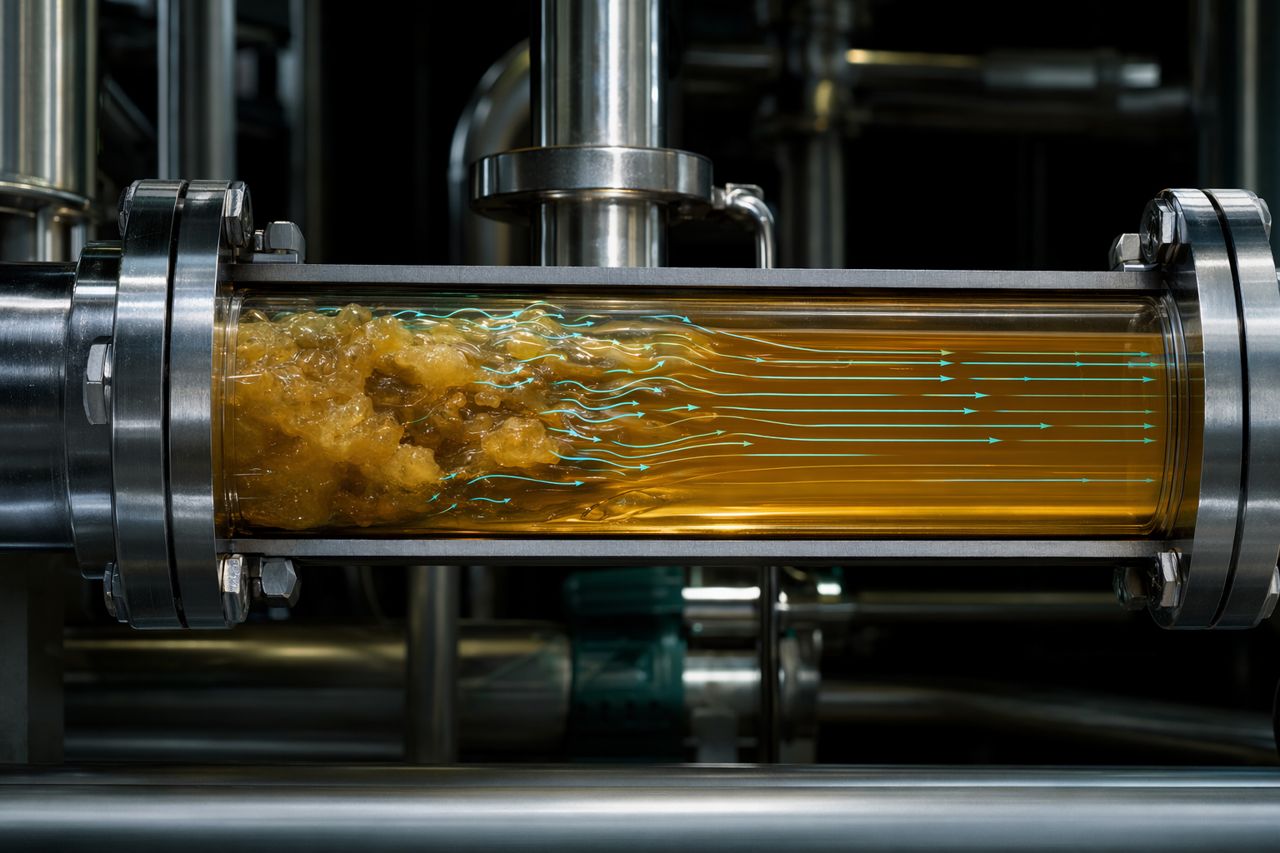

Precision mannan breakdown for smoother industrial flow.
Tell us your application and volume — we reply with pricing and lead time.
We have received your message. We will reply by email.