Endo-1,4-β-Mannanase for coffee extract handling, viscosity reduction, filtration support, and soluble coffee process efficiency.
Request pricingCoffee extracts can carry mannan-rich fiber structures that behave like a hidden viscosity load. Even when soluble solids are on target, these polysaccharide networks can hold water, trap fines, increase drag, and make clarification, concentration, and drying less predictable.
Buying for a plant or for resale? We supply mannanase for coffee extract and soluble coffee lines to manufacturers and resellers on a quote basis; send the coffee stream, quantity and destination. Request a quote.
Mannanase Enzyme Solutions Endo-1,4-β-Mannanase is specified for coffee processors who need controlled hydrolysis of coffee mannans without turning enzyme selection into a black box. It is supplied in bulk to soluble-coffee and coffee-extract manufacturers, contract processors and ingredient distributors who need practical handling gains, not generic enzyme claims.

Endo-1,4-β-Mannanase cleaves internal bonds in β-mannan and galactomannan structures. In coffee processing, these materials can contribute to gel-like behavior, poor flow, filtration resistance, and increased load on concentration equipment.
The practical objective is simple: reduce the structural contribution of mannans so the extract moves, separates, concentrates, and dries with better control.
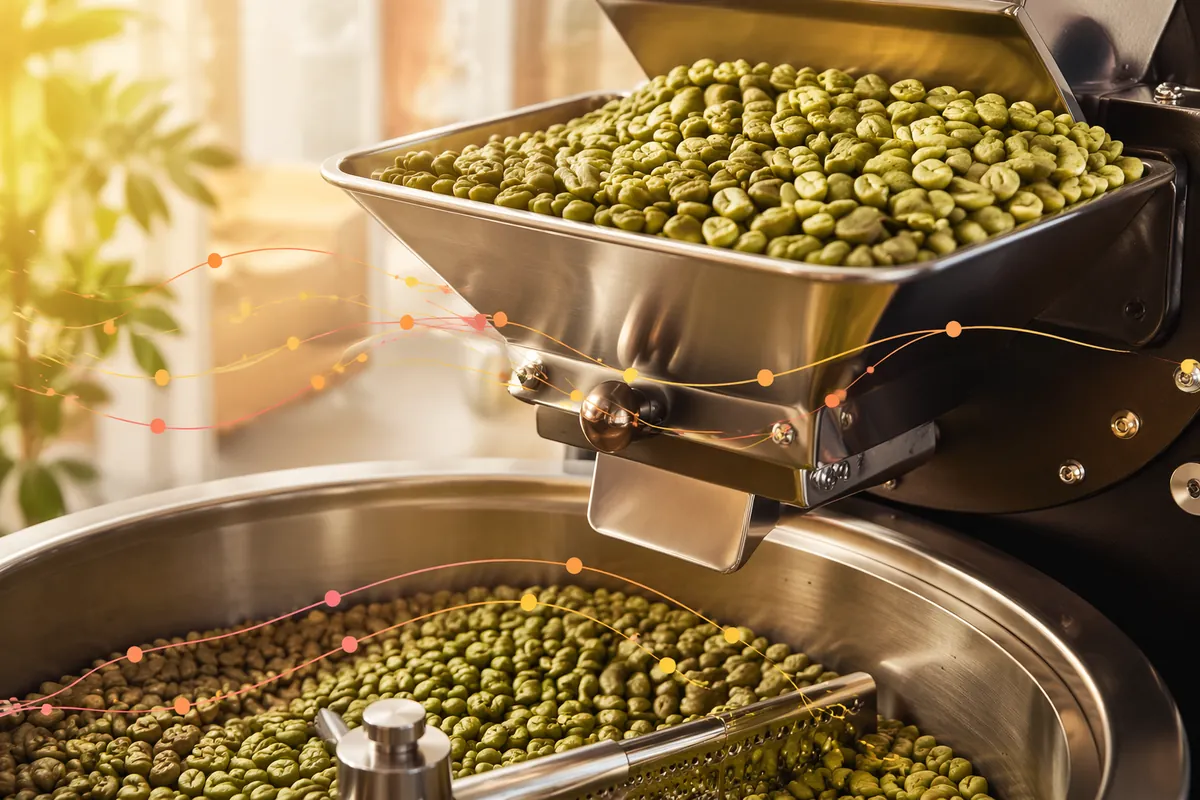
Mannanase use point depends on the plant design, coffee type, extraction strategy, and downstream constraints. Common evaluation points include:
A controlled treatment step after primary extraction can reduce mannan-driven viscosity before clarification or concentration. This is often the preferred location when the goal is improved extract handling without interfering with extraction hardware.
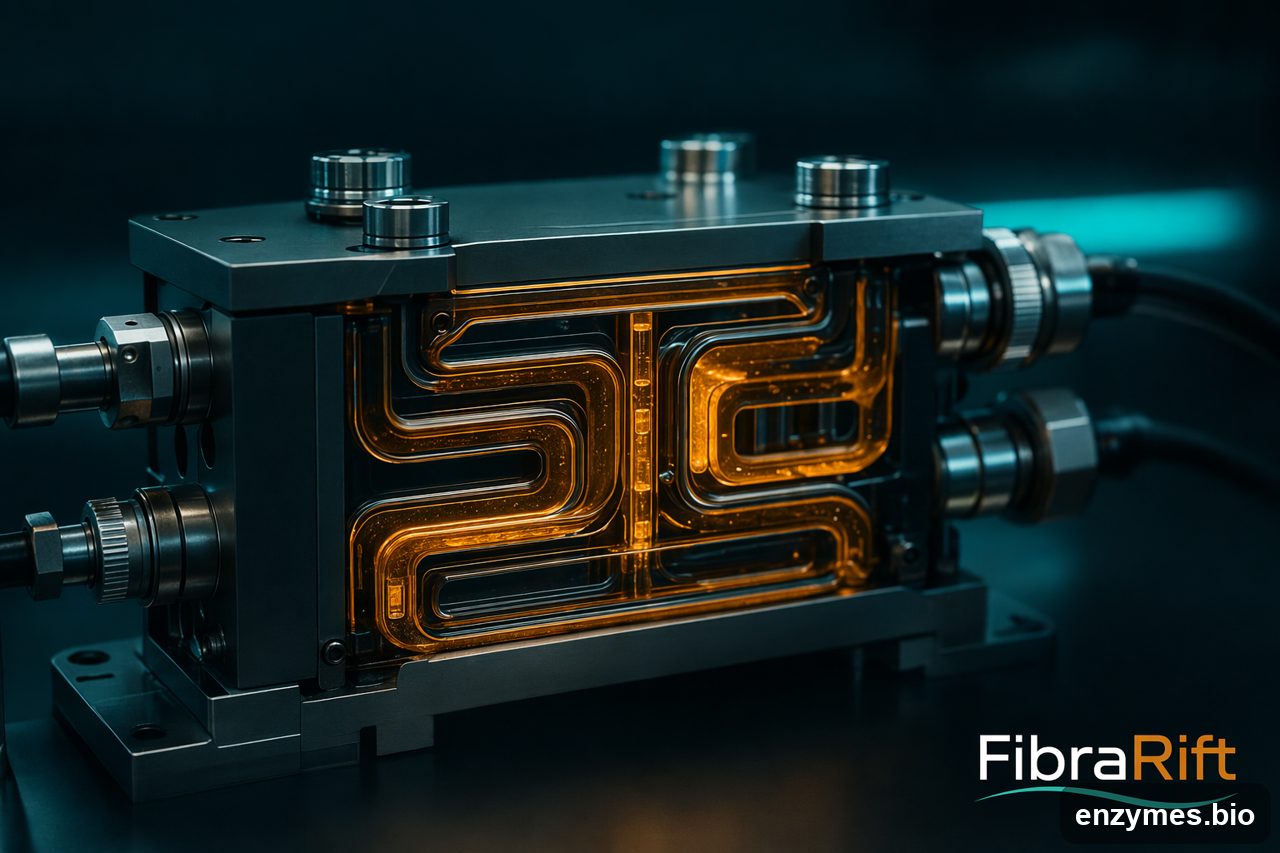
Where filterability is the bottleneck, mannanase can be evaluated upstream of separation. The aim is to reduce soluble fiber network effects that can bind fines and increase resistance.
For plants constrained by heat-transfer performance, feed stability, or concentration limits, mannan hydrolysis can be tested before evaporator loading. The focus is smoother flow, lower fouling tendency, and more predictable concentration behavior.
Mannan-rich fractions from coffee solids can be difficult to handle. Targeted mannanase treatment may support recovery strategies where viscosity and filtration behavior currently limit usable extract value.
Coffee extract is not a clean model substrate. It contains roasted solids, colloids, oils, acids, fines, salts, and thermally transformed polysaccharides. A useful mannanase program must be screened against the real process window, not just a simplified benchmark.
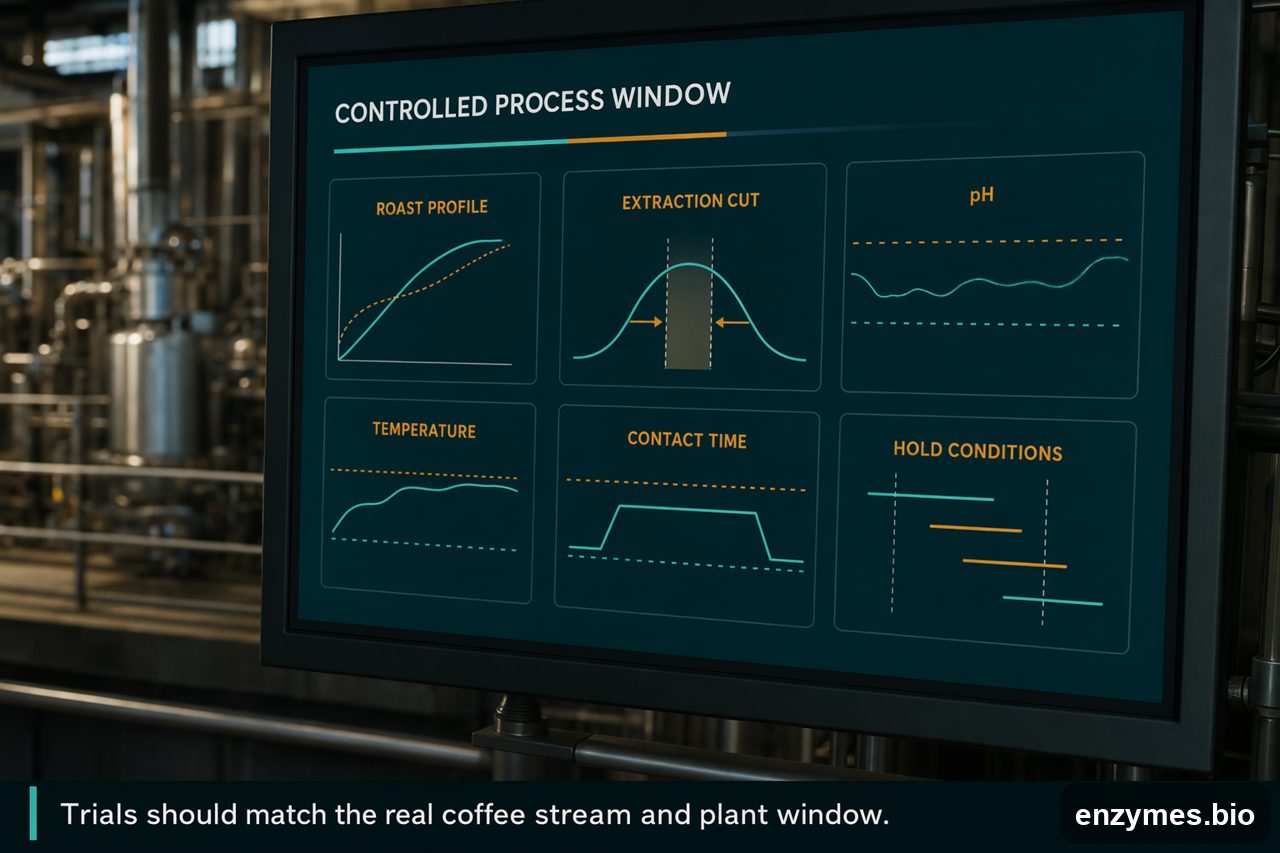
Mannanase Enzyme Solutions supports qualification around:
A good trial should connect enzyme use to measurable operating behavior. We recommend setting a baseline and tracking the constraints that actually drive cost or throughput.
For industrial buyers, enzyme choice is not only about hydrolysis. It is also about supply reliability, documentation, handling fit, and repeatable performance from batch to batch.
Mannanase Enzyme Solutions can be discussed as part of:
Broad blends can be useful in some processes, but they may introduce unnecessary variables. A targeted Endo-1,4-β-Mannanase gives process teams a cleaner cause-and-effect relationship when the suspected constraint is mannan-driven viscosity or filterability.
That makes trial interpretation faster: if the bottleneck improves, you know which polymer class was likely responsible. If it does not, the plant can redirect attention to fines, lipids, insoluble solids, concentration strategy, or thermal history.
Use this checklist before requesting a sample or quotation:
We supply mannanase for coffee extraction and soluble coffee lines in bulk to manufacturers, distributors and resellers, on a quote-only basis. To get a grade recommendation and a price, send the product or application, the quantity (trial lot, monthly or annual volume), the destination country, and the process step where the enzyme will be added. Form and pack size are quoted per order, and we tell you which documents are available for that grade.

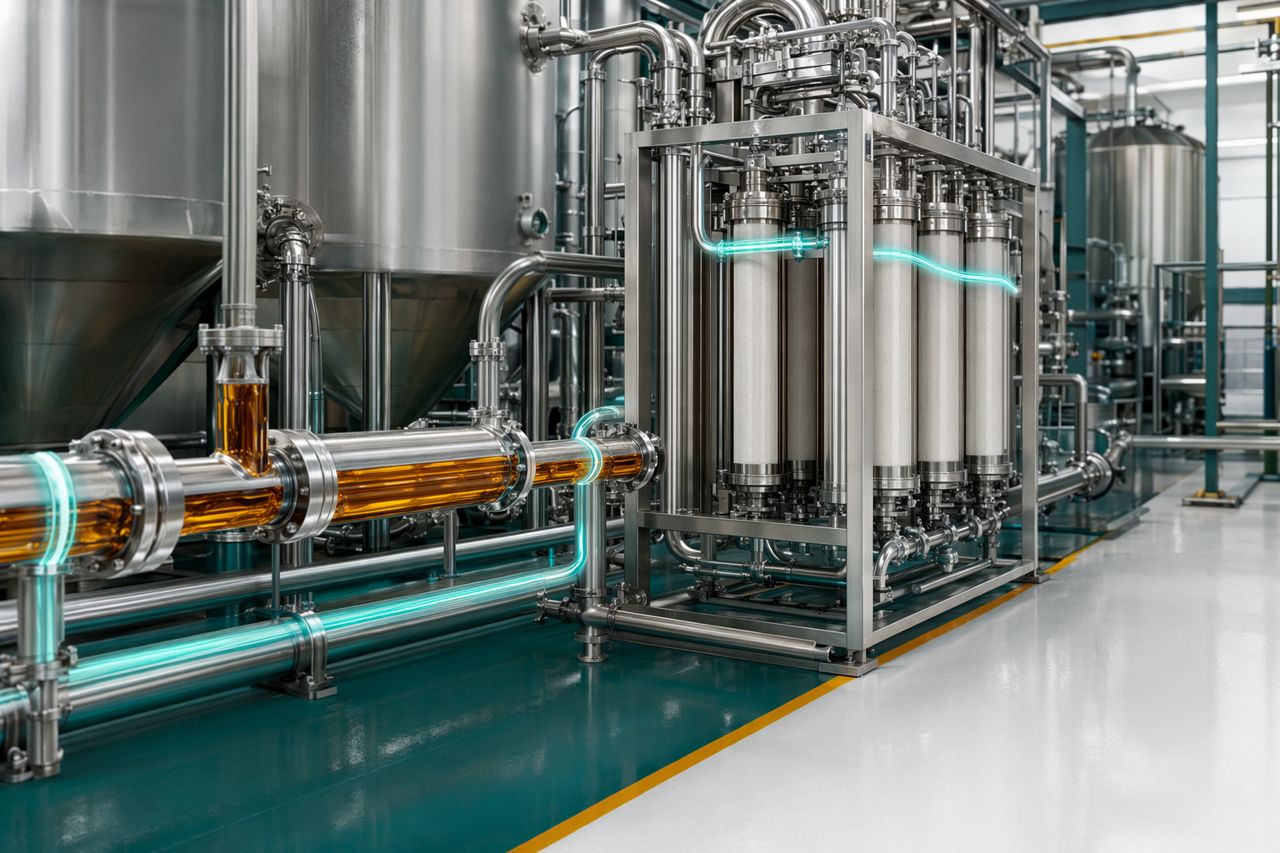
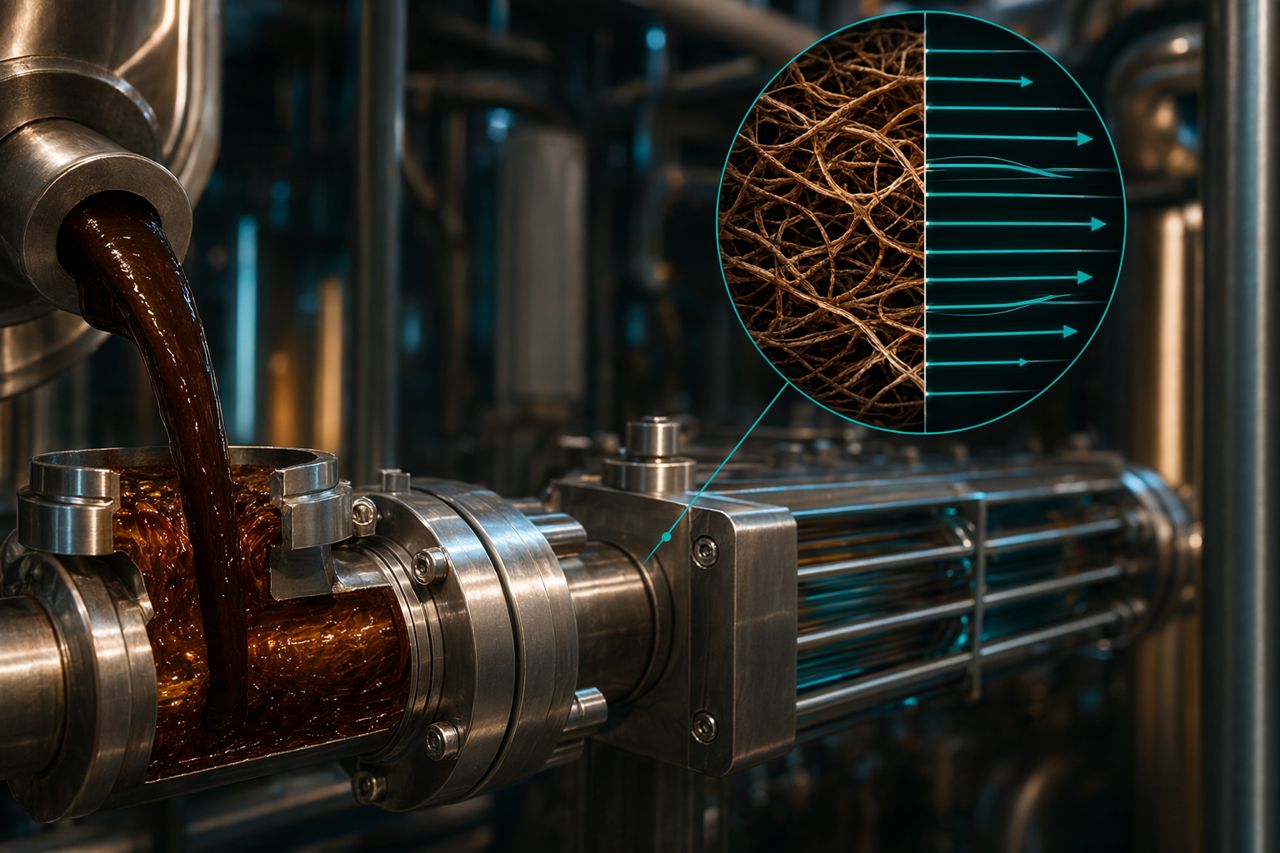
Precision mannan breakdown for smoother industrial flow.
Tell us your application and volume — we reply with pricing and lead time.
We have received your message. We will reply by email.