Mannanase Enzyme Solutions Endo-1,4-β-Mannanase supports controlled viscosity reduction, extraction, filtration, and texture management in mannan-rich food and plant material processing.
Request pricingPlant materials rich in β-mannan can behave like engineered gels: they hold water, build viscosity, slow separation, and make downstream texture harder to control. Mannanase Enzyme Solutions supplies Endo-1,4-β-Mannanase in bulk to food ingredient manufacturers, hydrocolloid and plant-material processors, and their distributors, where a plant needs targeted modification of mannan-containing substrates without treating the entire fiber system as a blunt problem.
Buying for a plant or for resale? We supply food-processing mannanase to ingredient manufacturers, processors and resellers on a quote basis; send the material, quantity and destination. Request a quote.
The enzyme acts on β-1,4-mannan backbones found in materials such as guar-derived streams, locust bean gum systems, konjac-related matrices, coconut-derived solids and liquids, and mixed plant fiber slurries. In the right process window, this can reduce excessive viscosity, improve flow behavior, support separation, and help teams define the final texture profile with more precision.

Mannanase is used when mannan-rich polysaccharides are contributing to unwanted thickness, poor pumpability, slow filtration, or inconsistent product handling.
Common processing targets include:
Endo-1,4-β-Mannanase cleaves internal β-1,4 linkages in mannan and related galactomannan or glucomannan structures. For processors, the practical value is not the mechanism alone. The value is the way targeted depolymerization can change material behavior.
Coconut solids and liquids can contain mannan-rich cell wall material that increases water binding and slows clarification. Mannanase can be evaluated to improve flow, support extract release, and reduce handling issues in coconut ingredient production, coconut milk bases, and related plant streams.

Galactomannans are valuable because they build body and stability. In some operations, however, their viscosity is too high for efficient handling or must be tuned to a defined range. Controlled mannanase treatment can help processors adjust viscosity while preserving the broader formulation intent.
Konjac-related materials can form highly viscous systems. Mannanase can be assessed where the objective is to improve dispersion, reduce excessive thickness, manage processing load, or design a more controlled final texture.
Plant-based food systems often contain multiple fiber types, proteins, starches, gums, oils, and minerals. Mannanase is most useful when β-mannan is a meaningful contributor to viscosity or water binding. Mannanase Enzyme Solutions supports process review to determine whether mannanase should be used alone or as part of a broader enzyme strategy.
Mannanase performance depends on substrate accessibility, hydration, pH, temperature, mixing, residence time, and the point at which the enzyme is stopped or removed from functional relevance. Mannanase Enzyme Solutions helps technical teams evaluate the addition point that best matches the operation.
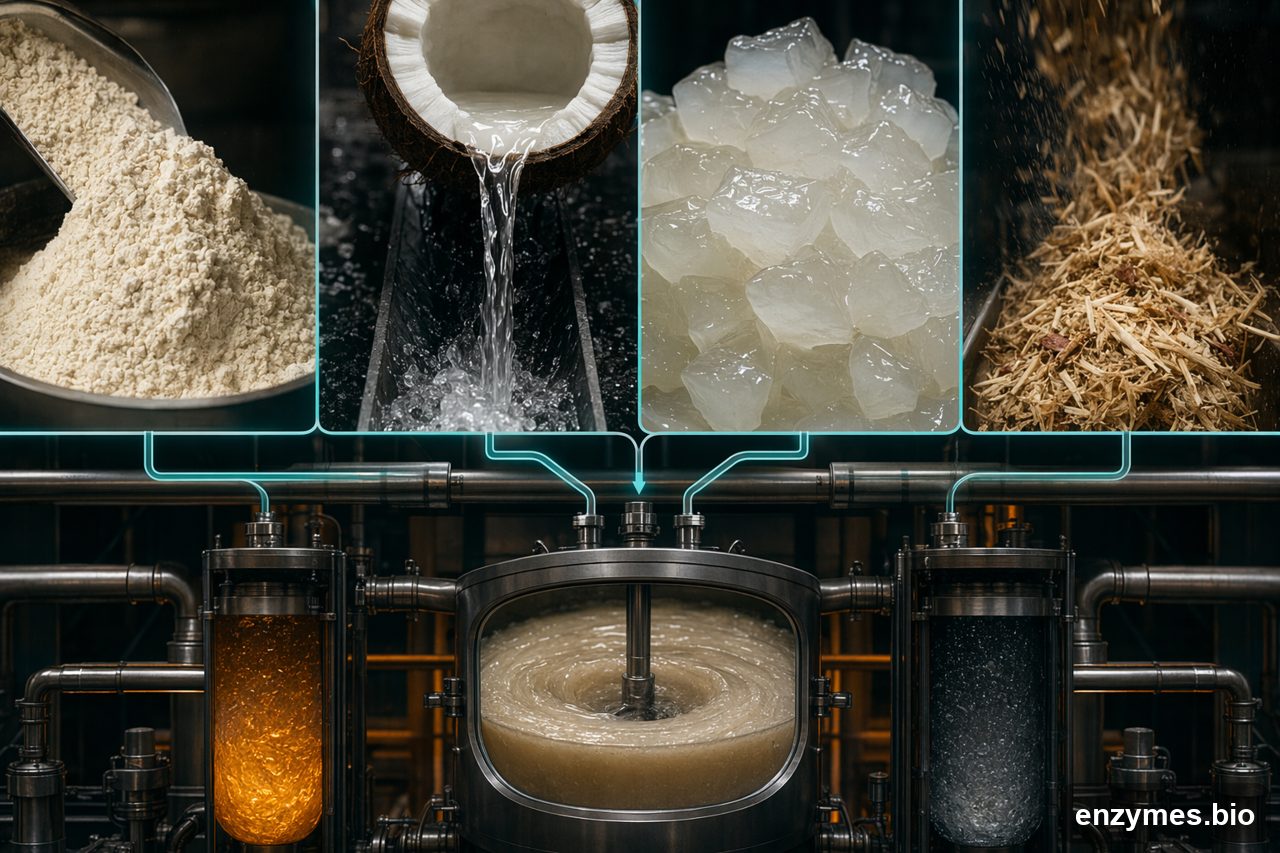
Typical integration points include:
Before selecting a mannanase, teams should define the intended outcome clearly. A viscosity drop alone is not always the right specification. In food ingredient processing, the better target may be pumpability, extract recovery, filter cycle time, mouthfeel, solids release, or stability after downstream heating.
Key questions to align before trials:
Mannanase Enzyme Solutions is built for industrial buyers who need technical clarity before procurement. We support qualification with practical product information, sample coordination, documentation review, and application guidance without exposing trader-confidential assay methods.
A useful trial compares treated and untreated material under the same process conditions. Mannanase Enzyme Solutions recommends measuring outcomes that matter to production, not only lab viscosity.
Useful endpoints may include:
We supply mannanase for food ingredient and plant-material processing in bulk to manufacturers, distributors and resellers, on a quote-only basis. To get a grade recommendation and a price, send the product or application, the quantity (trial lot, monthly or annual volume), the destination country, and the process step where the enzyme will be added. Form and pack size are quoted per order, and we tell you which documents are available for that grade.
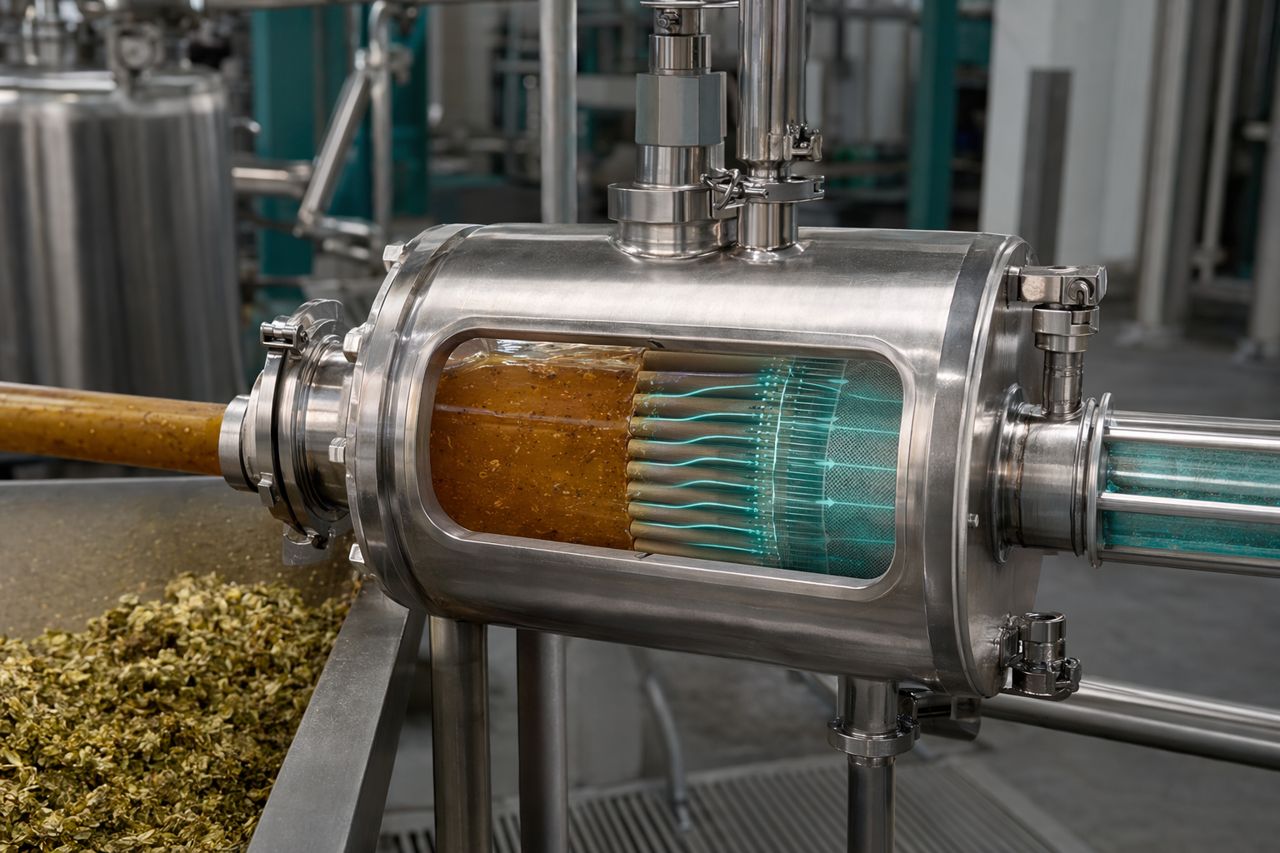

Precision mannan breakdown for smoother industrial flow.
Tell us your application and volume — we reply with pricing and lead time.
We have received your message. We will reply by email.