Wholesale and bulk Endo-1,4-β-Mannanase for feed mills, premix makers, coffee, konjac and guar processors, food and detergent manufacturers, and resellers. Quote-only supply.
Request pricingMannanase Enzyme Solutions supplies Endo-1,4-β-Mannanase in wholesale and bulk quantities to businesses: feed mills and premix makers, coffee, konjac and guar processors, food-ingredient and detergent manufacturers, and the distributors and resellers who supply them. Mannanase cuts β-mannan chains into shorter, more manageable carbohydrates; for a buyer that means lower viscosity, cleaner flow, better substrate access and more predictable performance in mannan-rich materials.
Wholesale and bulk supply, quote only. Send the application, the quantity (trial lot, monthly or annual volume) and the destination country, and we reply with a recommended grade and a price. Request a quote.
Mannanase is not a generic fiber enzyme. It targets β-1,4-linked mannan backbones found in guar, locust bean gum, konjac, copra meal, palm kernel meal, soybean meal, coffee extract streams, and other botanical materials. When the right mannanase is matched to the process, dense gels and fiber tangles become easier to pump, mix, digest, extract, filter, or formulate.
Endo-1,4-β-Mannanase acts inside the mannan chain rather than only trimming chain ends. That internal cutting pattern is why the enzyme is useful when the objective is rapid viscosity reduction or controlled structural change.
In industrial language, it helps convert a resistant, water-binding polysaccharide network into smaller soluble fragments with lower thickening power. The process benefit depends on the raw material, residence time, moisture level, temperature profile, pH environment, and the presence of other enzymes or processing aids.
β-mannans in soybean meal, palm kernel meal, copra meal, guar meal, and related ingredients can increase digesta viscosity and interfere with nutrient utilization. A well-selected mannanase can support feed efficiency by reducing the structural effect of these non-starch polysaccharides and improving access to encapsulated nutrients.
For feed technologists, the practical questions are not abstract. They are: which raw materials carry the mannan load, how variable is the supplier base, where does heat exposure occur, and what physical form must the enzyme survive?
Typical feed formulation considerations:
Mannanase is used where plant hydrocolloids or mannan-rich materials create unwanted thickness, slow filtration, or inefficient extraction. In coffee, coconut, konjac, guar, and legume-related streams, the enzyme can help open fiber structures and reduce process drag.
Common processing objectives:
In bioprocessing, paper-adjacent fiber treatment, and specialty carbohydrate conversion, mannanase can be used as a targeted tool for modifying plant cell-wall polysaccharides. It is especially relevant when mannan is the bottleneck fiber fraction or when broad-spectrum enzyme blends create too much collateral change.
A buying decision should begin with the substrate and the operating constraints, not with a catalog label.
Galactomannan, glucomannan, linear mannan, and mixed hemicellulose matrices do not behave the same way. Side-chain density, hydration rate, particle size, and pretreatment all affect response.
Temperature, pH, water availability, contact time, and shear determine whether the enzyme has enough access and enough time to create measurable change. The best choice is the mannanase that performs inside the real production window, not only under ideal conditions.
Powder, granulated, coated, and liquid forms each solve different handling problems. Feed mills may prioritize dust control and heat tolerance. Beverage processors may prioritize dispersion and clean dosing. Dry-blend formulators may prioritize flowability and storage behavior.
Mannanase is often paired with other carbohydrases. The blend must be designed around the dominant substrate barrier. More enzymes are not always better; the correct cleavage pattern and application timing matter more than a crowded ingredient statement.
Industrial buyers need repeatability across lots, packaging, documentation, and supply timelines. For sourcing teams, the relevant specification is the one that supports stable purchasing, clear handling, and predictable production outcomes.
An inquiry that answers these questions gets a grade recommendation and a price faster:
Clear answers help match enzyme form, stability profile, and commercial pack size to the actual job.
Mannanase Enzyme Solutions works only with businesses buying for production or for resale:
Price, form and pack size are quoted per order.
We supply mannanase for feed, food, beverage, cleaning and industrial lines in bulk to manufacturers, distributors and resellers, on a quote-only basis. To get a grade recommendation and a price, send the product or application, the quantity (trial lot, monthly or annual volume), the destination country, and the process step where the enzyme will be added. Form and pack size are quoted per order, and we tell you which documents are available for that grade.
Mannanase is a precision tool for cutting β-mannan networks. Used well, it turns thick, resistant fiber systems into lower-viscosity, process-ready material. The buying decision should be tied to substrate, operating window, form, handling, and measurable industrial outcome.


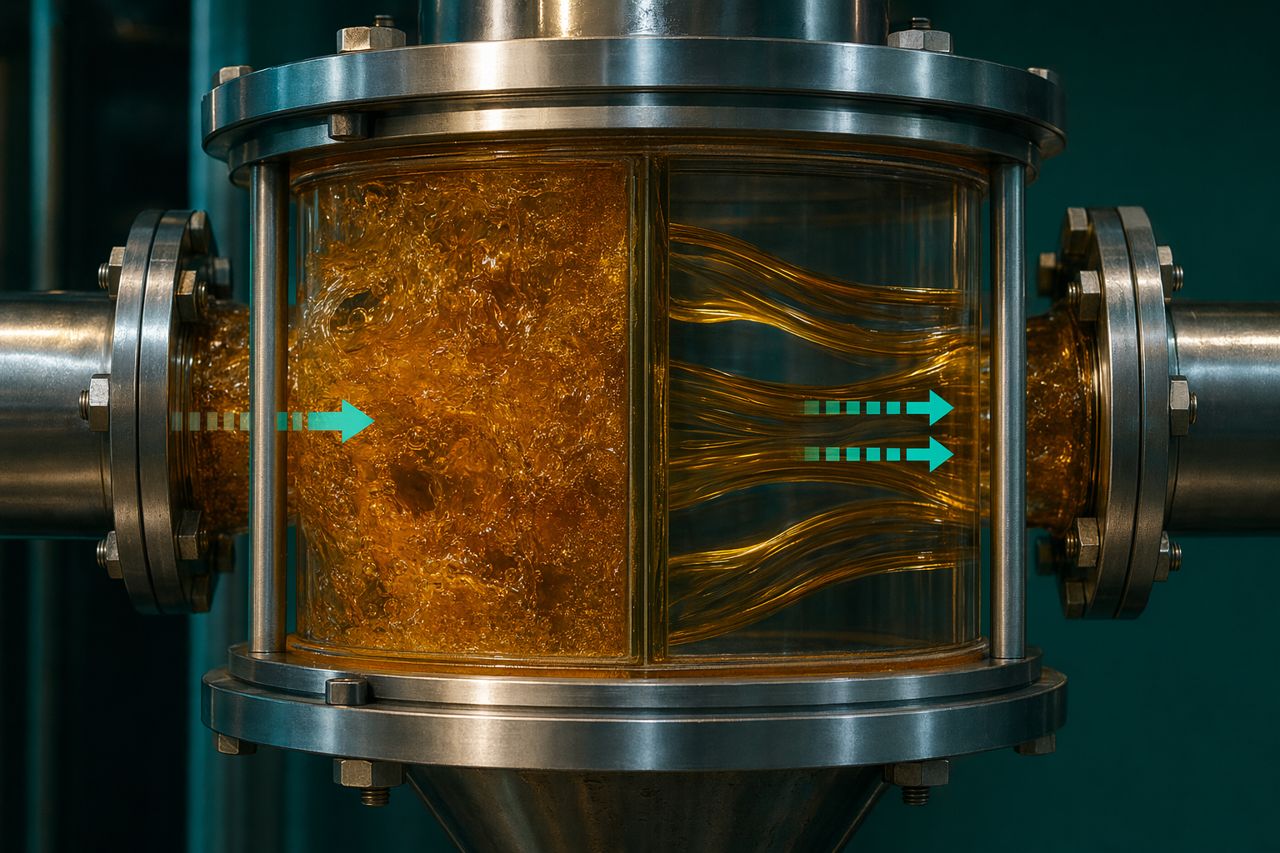
Precision mannan breakdown for smoother industrial flow.
Tell us your application and volume — we reply with pricing and lead time.
We have received your message. We will reply by email.