Guar gum, locust bean gum, tara gum and other galactomannan thickener residues in institutional laundry, dish and hard-surface cleaning: where a mannan-targeting enzyme fits cold-to-warm washes and an existing enzyme package.
Request pricingInstitutional and industrial cleaning has to remove more than visible soil. Thickened sauces, dressings, dairy foods and personal-care products leave hydrated films of guar gum, locust bean gum, tara gum and other galactomannans that lock dirt onto fibers and surfaces, and surfactants alone struggle with them, especially under lower mechanical stress and in cold-to-warm wash strategies.
Buying for a plant or for resale? We supply mannanase for institutional laundry, dish and hard-surface products to manufacturers, formulators and resellers on a quote basis; send the product format, quantity and destination. Request a quote.
Mannanase Enzyme Solutions supplies mannanase (Endo-1,4-β-Mannanase) in bulk to detergent and cleaning-chemical manufacturers, private-label producers, institutional hygiene suppliers and the distributors who serve them, for exactly that gap. It targets β-mannan and galactomannan structures such as guar gum, locust bean gum, tara gum, and related thickener residues, helping detergents convert sticky, hydrated films into smaller soluble fragments that can be carried away by the wash liquor.

Mannan-rich gums are designed to hold water, create viscosity, and cling. In detergent applications, those same properties can make residues difficult to remove with surfactants alone.
Mannanase supports cleaning by:
In laundry, mannanase is used to help remove polymeric residues that bind mixed soils to cotton, synthetics, and blended fabrics. It is especially relevant where stain systems include thickened food, cosmetic, body-soil, or gum-containing formulations.
Typical development goals include:

In dish systems, galactomannan residues can appear in sauces, dairy-based foods, gravies, ice cream, dressings, and processed ingredients. Once dried, these films can become tenacious.
Mannanase helps detergent developers address:
For institutional and industrial hard-surface products, mannanase can support cleaning where thickeners, food soils, and personal-care materials leave hydrated films on equipment, counters, tiles, and wash-contact surfaces.
It is not a universal cleaner. It is a precise tool for mannan-containing residues, and that precision is the reason to include it.
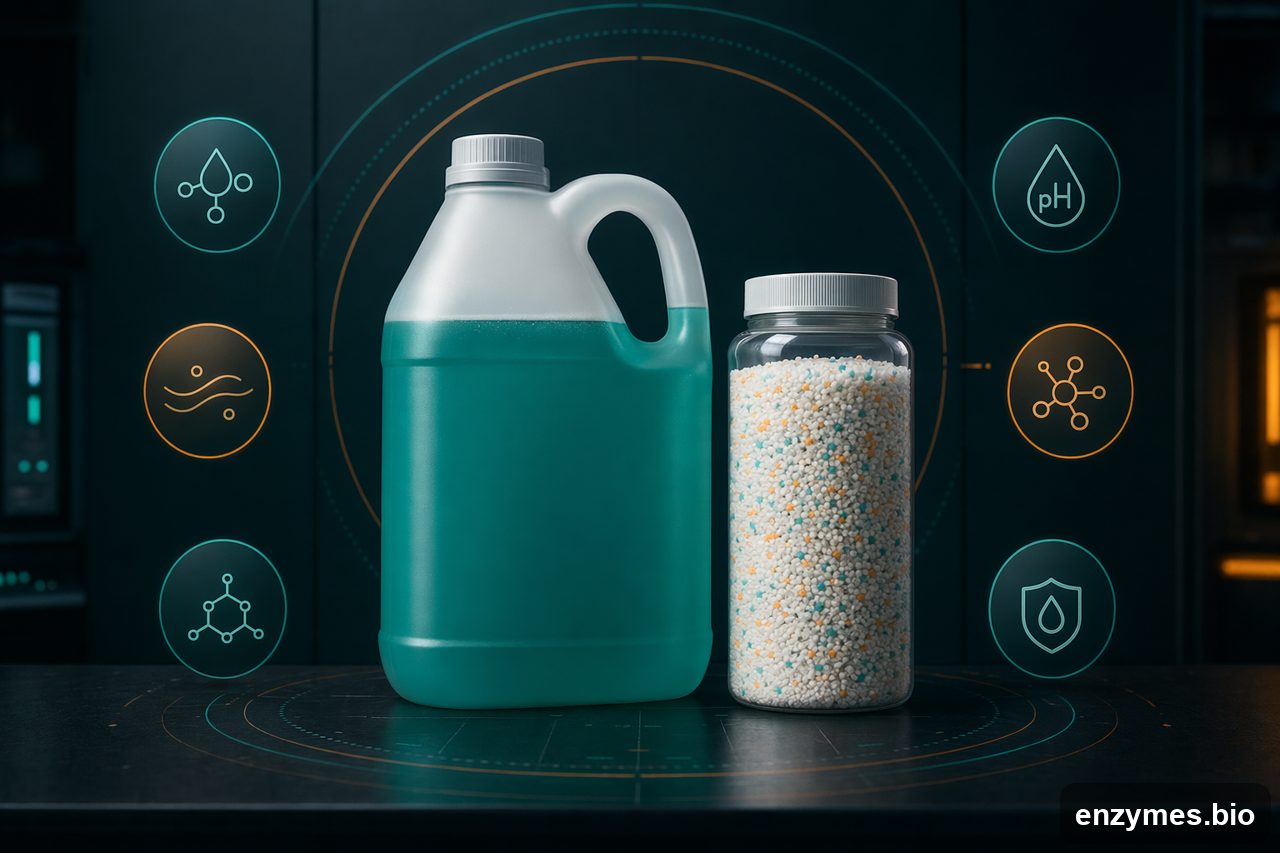
Mannanase performance depends on the whole detergent environment, not the enzyme name alone. Mannanase Enzyme Solutions supports grade selection around the conditions that matter in real formulations.
Key screening variables include:
For powder and tablet systems, protected or granulated formats may be appropriate. For liquids, preservation strategy, water activity, pH, and surfactant compatibility should be reviewed early.
A high-performing detergent enzyme system is not one enzyme doing every job. It is a coordinated package.
This makes mannanase useful when a detergent formulation already performs well on conventional stain classes but still struggles with viscous, sticky, gum-derived residues.
When evaluating mannanase for detergent use, sourcing and technical teams should align on:
Send us that brief and we compare candidate grades against it. Activity and inclusion level are discussed per grade and per formulation, not on this page.
We supply mannanase for cleaning products only to businesses that manufacture or resell them:
A useful first inquiry names the product format (liquid, powder, tablet or unit dose), the wash conditions in the target market, the enzymes already in the formula, the residue you need to remove, and the volume you expect to buy.
A practical mannanase evaluation usually follows four steps:
We supply cleaning-grade mannanase in bulk to manufacturers, distributors and resellers, on a quote-only basis. To get a grade recommendation and a price, send the product or application, the quantity (trial lot, monthly or annual volume), the destination country, and the process step where the enzyme will be added. Form and pack size are quoted per order, and we tell you which documents are available for that grade.

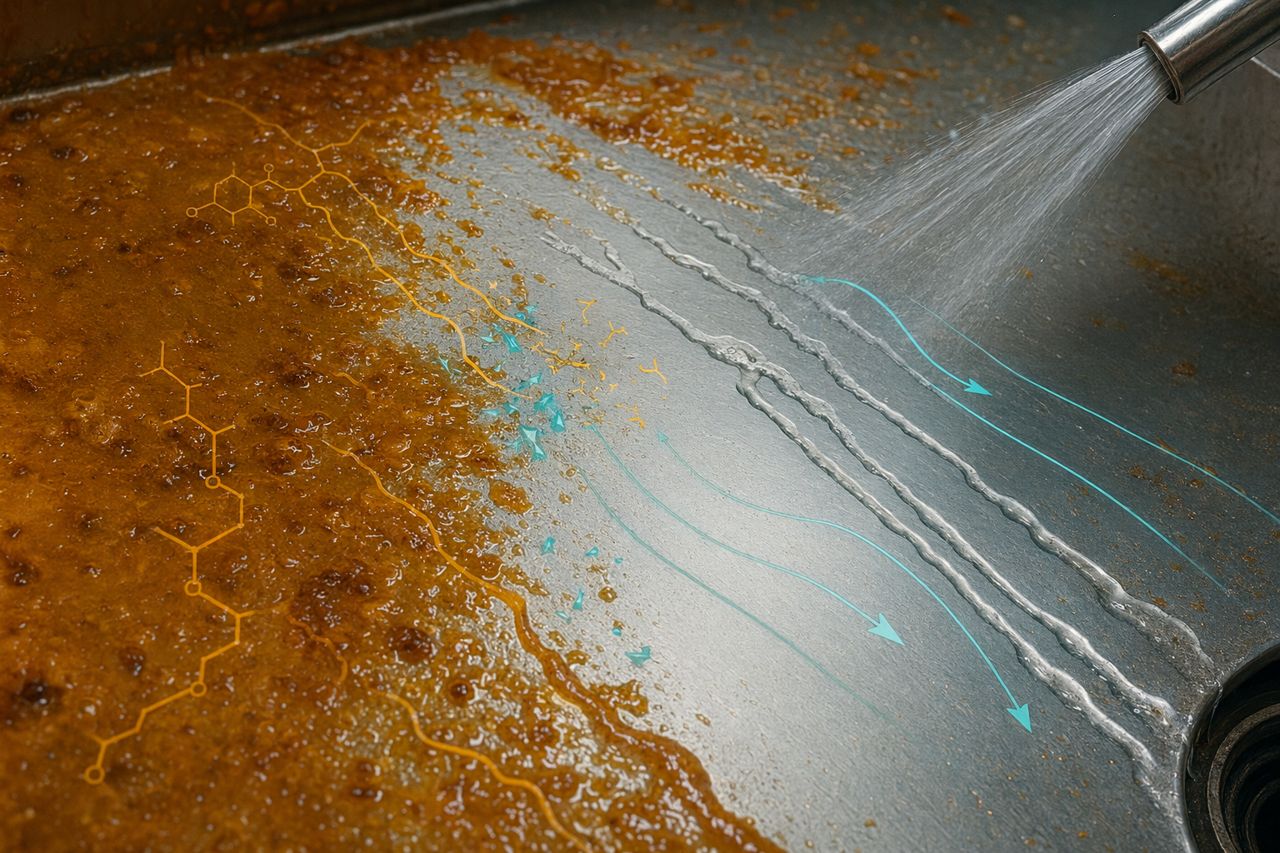

Precision mannan breakdown for smoother industrial flow.
Tell us your application and volume — we reply with pricing and lead time.
We have received your message. We will reply by email.