Technical guide to Endo-1,4-β-Mannanase for coffee and beverage processing: viscosity reduction, extraction support, filtration performance, and cleaner solids handling.
Request pricingCoffee extracts and botanical beverages can carry a stubborn fraction of β-mannan and galactomannan-rich soluble fiber. In the process, that material shows up as viscosity, slow separation, filter load, unstable flow, and higher losses in wet solids.
Buying for a plant or for resale? We supply mannanase for coffee and beverage lines to manufacturers and resellers on a quote basis; send the product, quantity and destination. Request a quote.
Mannanase Enzyme Solutions supplies Endo-1,4-β-Mannanase in bulk to coffee, beverage and botanical-extract manufacturers, and to ingredient distributors, where a line needs cleaner flow behavior without a redesign. The enzyme targets internal β-1,4-mannan linkages, opening dense polysaccharide structures into shorter, more processable fragments.
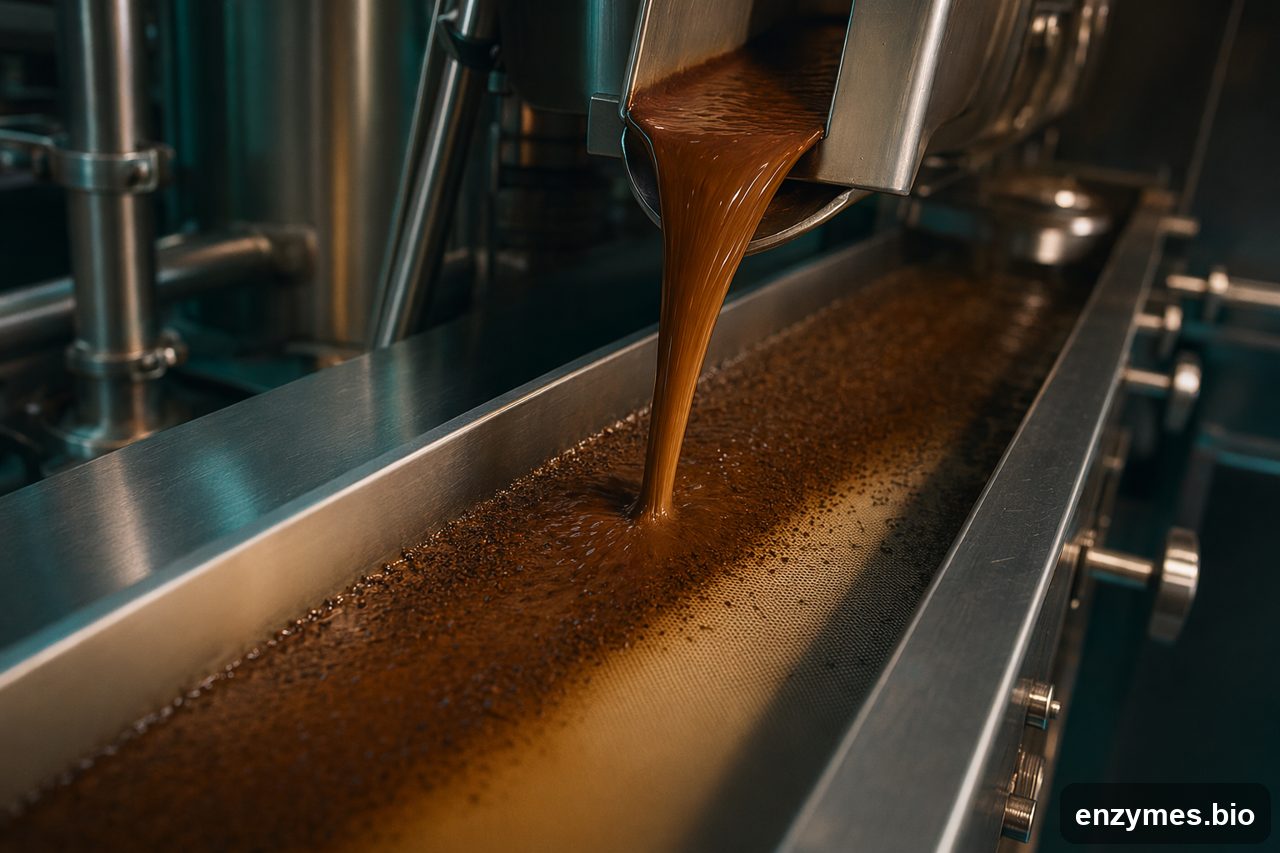
For coffee, ready-to-drink beverages, concentrates, and plant-based liquid systems, mannanase is not a generic yield aid. It is a precision tool for managing fiber-driven resistance across extraction, clarification, concentration, and solids discharge.
In coffee extraction and beverage preparation, mannan-rich fractions can trap water, bind fine particles, and increase liquor viscosity. Mannanase helps loosen that network so soluble material can move more freely through the slurry.
Typical process outcomes include:
The result is not simply “more extraction.” The practical benefit is more controlled extraction behavior under industrial constraints.
Viscous mannan fractions can blind filter media, slow centrifuge throughput, and create unstable pressure profiles. By reducing the molecular structure responsible for gel-like behavior, mannanase can lower resistance before the stream reaches separation equipment.
Potential benefits include:
Mannanase is especially relevant when a beverage stream looks visually manageable but behaves poorly under filtration load.
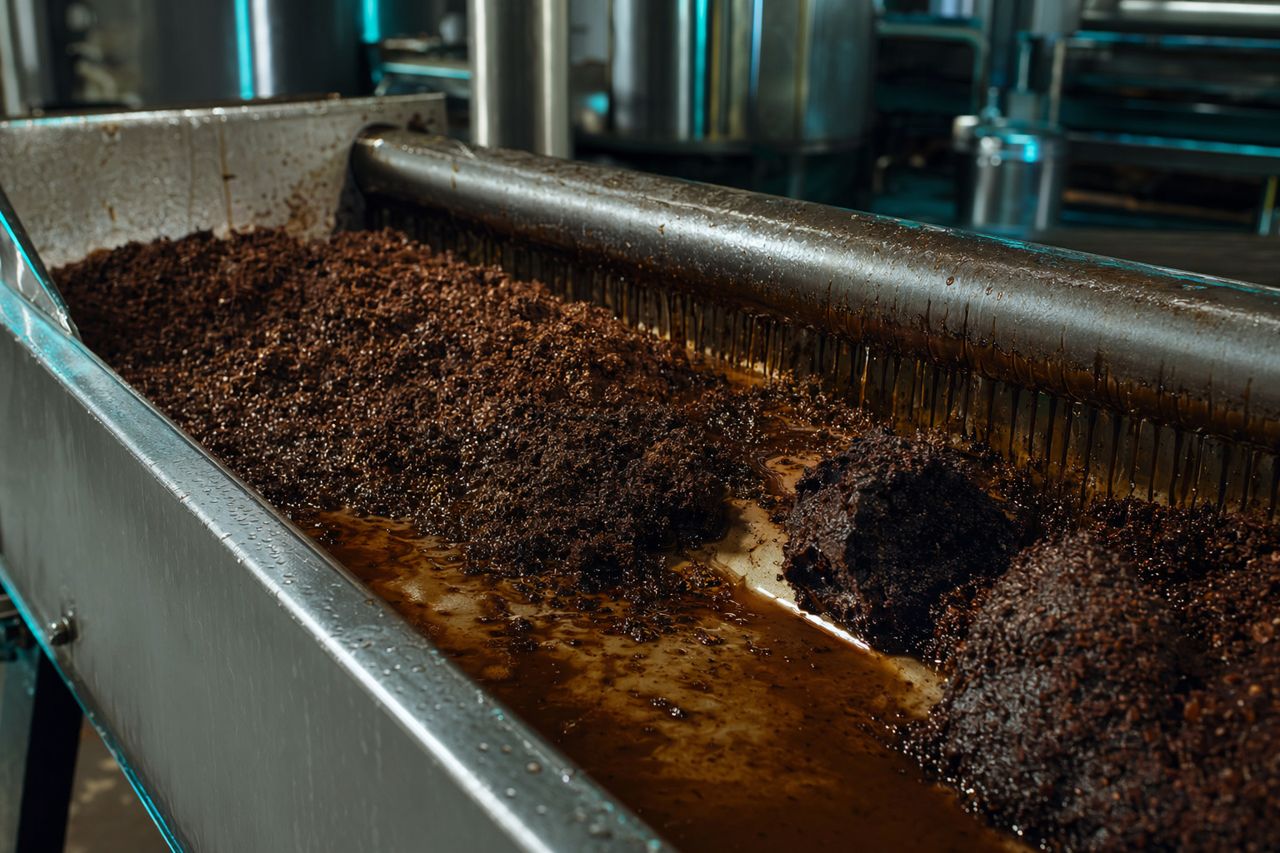
Spent coffee grounds, extraction residues, and beverage process slurries often retain liquid within a fiber network. Mannanase can help disrupt that network, supporting more predictable dewatering and cleaner transfer of wet solids.

In practice, this can mean:
For operators, the value is operational: less time spent fighting slow-moving, sticky, or inconsistent solids.
Coffee cell wall material contains polysaccharides that contribute to extract body, stability, and solids behavior. Some of that structure is desirable in the cup. Some of it becomes a processing obstacle at industrial scale.
Endo-1,4-β-Mannanase works by cleaving internal mannan chains rather than stripping all structure indiscriminately. This makes it useful when the objective is controlled viscosity reduction and improved processability, not aggressive degradation of the beverage matrix.
The enzyme is commonly evaluated where teams see one or more of the following signs:
Mannanase can be evaluated at several points depending on the line layout and quality target.
This is often the most direct placement when the goal is to improve liquor mobility and reduce downstream load. The enzyme can act while the stream is warm and mixed, before solids are removed.
A controlled enzymatic hold before separation can reduce viscosity and help stabilize filtration behavior. This placement is useful when filtration is the primary bottleneck.
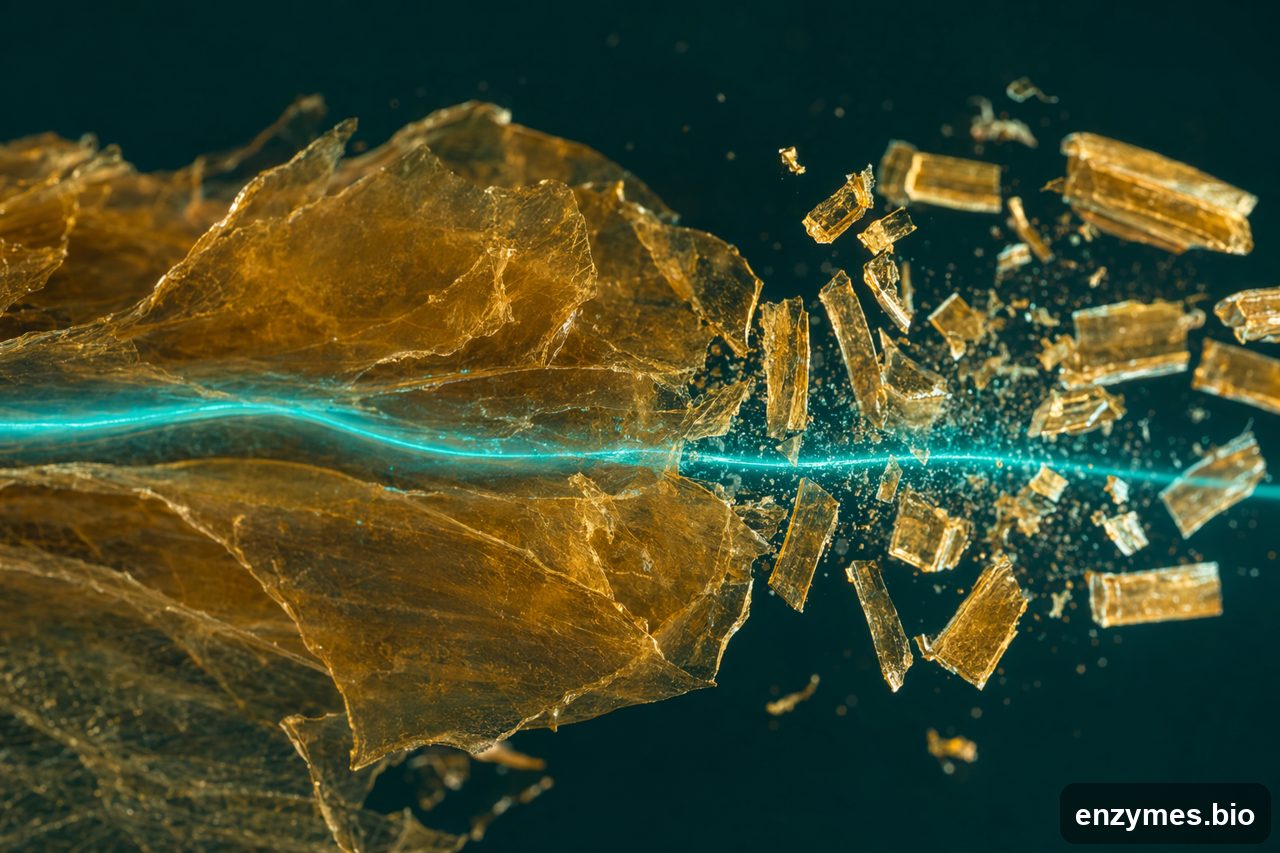
Where process residence time is already available, mannanase may be integrated with minimal mechanical changes. This option is attractive for plants that need incremental improvement without major capital modification.
A successful mannanase trial should be built around plant realities, not theoretical maximum conversion. Key variables include:
Mannanase Enzyme Solutions recommends screening against measurable plant outcomes: extract flow, filtration cycle time, pressure rise, wet cake behavior, soluble solids recovery, and sensory guardrails.
Mannanase can be considered for:
The strongest fit is usually found where viscosity is creating a mechanical or economic penalty: longer cycle times, higher retained liquid, unstable separation, or excessive filtration intervention.
A focused mannanase trial should capture before-and-after data under comparable raw material and process conditions.
Recommended metrics:
The goal is not to prove enzyme activity in isolation. The goal is to prove a process advantage that holds under production conditions.
For procurement and technical sourcing teams, mannanase selection should be tied to application fit, documentation, and supply reliability.
Request information on:
A supplier should help your team connect enzyme selection to process economics, not just provide a specification sheet.
A typical evaluation can follow a controlled sequence:
This keeps the trial aligned with commercial decisions and avoids over-optimizing against a lab-only endpoint.
We supply mannanase for coffee, beverage and botanical-extract lines in bulk to manufacturers, distributors and resellers, on a quote-only basis. To get a grade recommendation and a price, send the product or application, the quantity (trial lot, monthly or annual volume), the destination country, and the process step where the enzyme will be added. Form and pack size are quoted per order, and we tell you which documents are available for that grade.
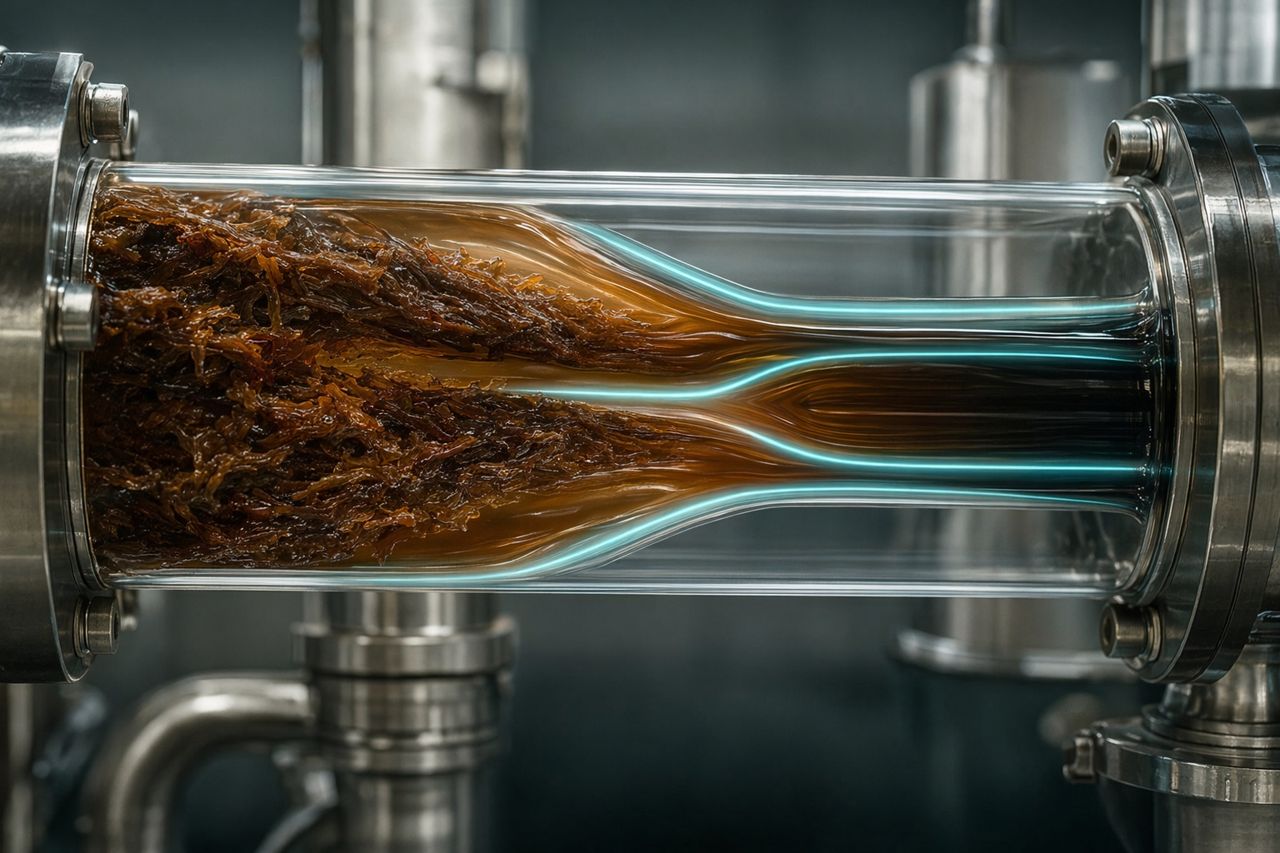
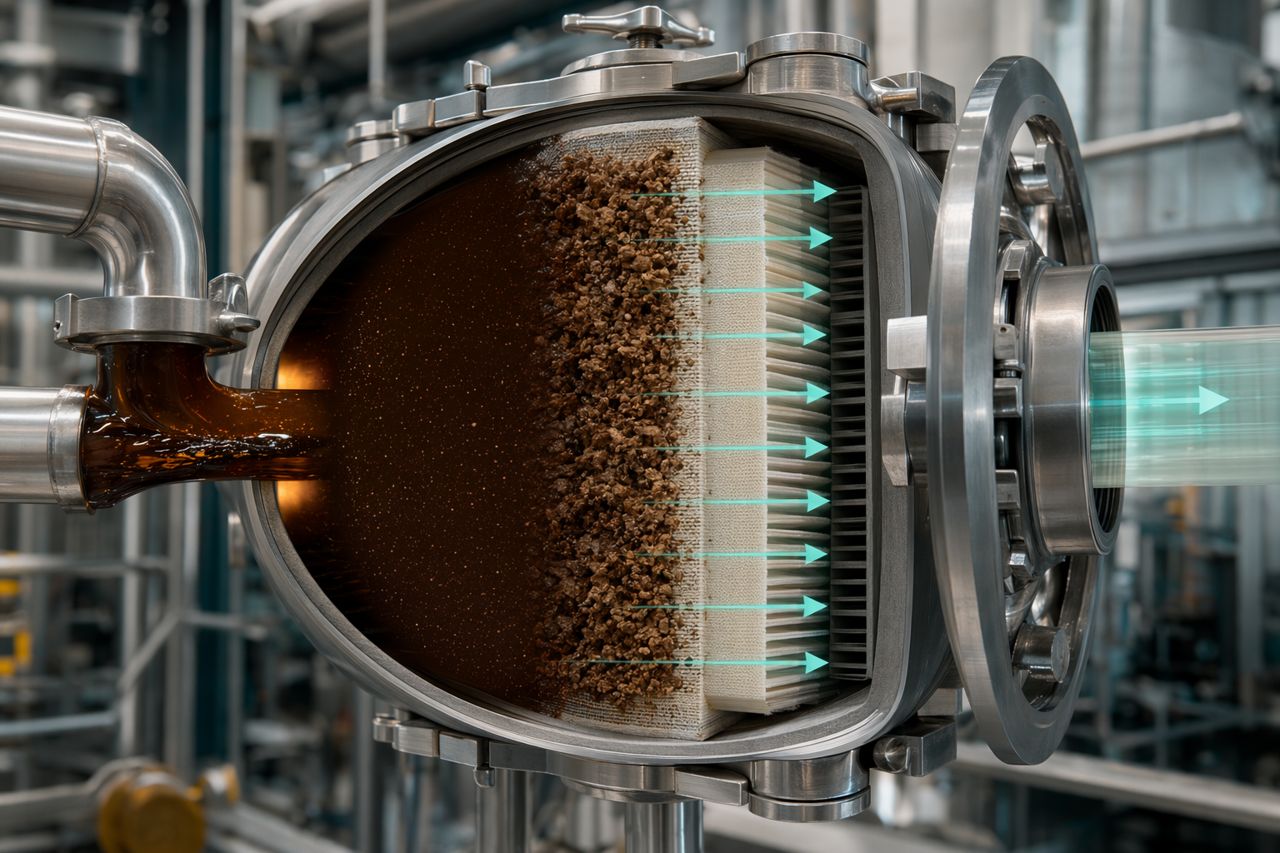
Precision mannan breakdown for smoother industrial flow.
Tell us your application and volume — we reply with pricing and lead time.
We have received your message. We will reply by email.