Practical answers for B2B buyers evaluating mannanase for viscosity reduction, feed efficiency, biomass processing, extraction, and formulation compatibility.
Request pricingEndo-1,4-β-Mannanase is used where β-mannan gums and hemicellulose structures create viscosity, trap nutrients, slow filtration, or limit extract yield. Mannanase Enzyme Solutions explains the practical questions buyers ask before specifying mannanase in feed, food processing, biomass, pulp, and industrial formulations.
Buying for a plant or for resale? We supply mannanase in bulk to manufacturers and resellers on a quote basis; send the application, quantity and destination. Request a quote.
This FAQ is written for manufacturers, processors, distributors and resellers who need clear decision points before they buy, not broad enzyme claims.

Mannanase is an enzyme that cuts internal β-1,4 linkages in mannan-based polysaccharides. These substrates include:
By breaking long mannan chains into shorter fragments, mannanase can reduce viscosity, improve flow, expose trapped components, and improve downstream separation.
The proper name is Endo-1,4-β-Mannanase. “Endo” indicates that the enzyme acts within the mannan chain rather than only at chain ends. In industrial use, this internal cutting action is what makes mannanase valuable for rapid viscosity reduction and structural opening of mannan-rich matrices.
Mannanase converts dense, water-binding fiber networks into shorter, less viscous fragments. In production environments, that can support:
The result is not simply “fiber breakdown.” The practical value is controlled rheology and improved access inside difficult plant matrices.
In poultry, swine, aquaculture, and other feed systems, mannanase targets non-starch polysaccharides that can increase digesta viscosity or interfere with nutrient access. It is especially relevant when diets include soybean meal, palm kernel meal, copra meal, guar byproducts, or other mannan-containing ingredients.
Typical objectives include improved feed flexibility, better nutrient availability, and reduced anti-nutritional effects associated with soluble mannans.
Mannanase can be used where plant gums or mannan-rich residues affect extractability, filtration, or texture control. Relevant areas may include coffee extraction, fruit and vegetable processing, plant-based ingredient preparation, and gum-modified systems where viscosity management is required.
In biomass conversion and coproduct processing, mannanase helps open hemicellulose structures so water, heat, chemicals, or companion enzymes can move more effectively through the material.
Mannanase can support targeted modification of hemicellulose fractions in fiber systems where controlled drainage, surface modification, or reduced refining load is desired.
Long mannan chains bind water and create entangled networks. Mannanase cuts these chains into shorter segments. As chain length falls, the network loses its ability to hold viscosity. Flow channels open, mixing improves, and the material becomes easier to pump, separate, or formulate.
This is why mannanase is often evaluated in trials by observing process behavior: flow, filtration, mixing load, solids release, and product consistency.
Mannanase works best when the limiting structure is mannan-based. High-response materials often contain guar, locust bean, konjac, soybean hull fractions, palm kernel meal, copra meal, coffee mannan, or related hemicellulose structures.
A low response usually means one of three things:
No. These enzymes target different polysaccharide backbones.
They are often used together when the raw material contains mixed plant cell wall structures. The strongest formulation is usually substrate-led, not enzyme-led: identify the limiting fiber first, then choose the enzyme system.

Yes. Mannanase is commonly evaluated with xylanase, cellulase, β-glucanase, pectinase, protease, amylase, or α-galactosidase depending on the application.
For example:
Compatibility should be checked against pH, temperature exposure, hold time, moisture level, metal ions, preservatives, and process order of addition.
The main variables are:
A good specification starts with the real process map, not a generic enzyme description.
Do not compare mannanase products by label claims alone. Ask for application-relevant information:
For procurement, the lowest cost per kilogram is rarely the best metric. The stronger metric is cost per process outcome: viscosity drop, release improvement, feed formulation value, filtration gain, or throughput stability.
It depends on the application.
Liquid mannanase can be easier to meter into wet processes, premixes, sprays, or inline dosing systems. It may simplify dispersion when water is already present.
Powder or granulated mannanase can be better for dry blending, feed premix systems, and applications requiring improved handling or stability. Granulation or coating may also support dust control and process protection.
The best form is the one that survives your handling steps and reaches the substrate evenly.
In feed, mannanase is used to reduce the impact of mannan-rich non-starch polysaccharides. These fibers can increase gut viscosity, encapsulate nutrients, and create variability when lower-cost ingredients are introduced.
A feed technologist may evaluate mannanase when:
The decision should be based on diet matrix, target species, processing exposure, and performance economics.
Survival depends on enzyme format, exposure time, moisture, temperature profile, and where the enzyme is added. For feed, coated or granulated formats may be considered when thermal exposure is significant. Liquid post-application may be preferred in systems built for accurate spray-on dosing.
Ask for stability guidance matched to your process, not only a general “thermostable” statement.

Coffee and many botanical materials contain mannan-rich cell wall fractions that can restrict extraction and filtration. Mannanase can open these structures, reduce soluble gum effects, and improve the movement of liquid through solids.
In extraction trials, buyers often monitor:
The enzyme should be validated under the actual extraction temperature, hold time, and pH used in production.
Yes, when mannan gums are a major contributor to filter resistance. By shortening water-binding chains, mannanase can reduce gel-like behavior and improve liquid release. If filtration is controlled mainly by pectin, starch, fine insoluble solids, or protein haze, other interventions may be more important.
The correct question is: what is building the filter cake resistance? Mannanase is powerful when the answer is mannan-rich viscosity or gum structure.
Suitability depends on regulatory status, production organism, processing aid rules, residual declaration requirements, and the market where the finished product is sold. Buyers should request the relevant documentation for their jurisdiction and application.
Mannanase Enzyme Solutions can help align product format and documentation expectations before trial material is selected.
Commercial mannanase can be produced by microbial fermentation using selected bacterial or fungal production systems. The production source affects performance profile, stability, impurity control, and documentation. Buyers should ask for origin and regulatory information appropriate to their intended use.
A useful technical request should include:
With this information, the mannanase selection can be narrowed quickly and tested against measurable outcomes.
Start with a controlled comparison against the current process. Keep raw material, solids level, temperature, pH, mixing, and hold time consistent. Evaluate more than one inclusion level and include a no-enzyme control.
Good trial endpoints include:
Avoid changing multiple variables at once. Mannanase performance is easiest to interpret when the trial isolates fiber modification as the main change.
Underperformance usually comes from fit or access issues:
A failed trial does not always mean mannanase is the wrong enzyme. It may mean the process map needs tighter control.
Depending on application and market, sourcing teams may need:
Document needs vary by jurisdiction and finished-product category. Confirm requirements before commercial scale-up.
Storage guidance depends on product form. In general, enzymes should be protected from excess heat, moisture, direct sunlight, incompatible chemicals, and repeated container opening. Powders should be kept dry and sealed. Liquids should be stored according to their recommended temperature range and handled to avoid contamination.
Always follow the product-specific storage statement provided with the material.
Industrial enzymes should be handled with standard controls to limit dust or aerosol exposure and prevent eye, skin, or respiratory irritation. Use the supplied safety data sheet, appropriate personal protective equipment, and site-specific handling procedures.
For powders and granules, dust control is especially important. For liquids, avoid mist generation and spills.
Mannanase Enzyme Solutions focuses on matching mannanase to the industrial constraint: viscosity, release, filtration, feed value, or process flow. We help buyers define the substrate, operating window, form factor, documentation needs, and trial endpoints before commercial commitment.
The aim is controlled fiber opening—not enzyme over-specification.
We supply mannanase for feed, food, extraction and industrial lines in bulk to manufacturers, distributors and resellers, on a quote-only basis. To get a grade recommendation and a price, send the product or application, the quantity (trial lot, monthly or annual volume), the destination country, and the process step where the enzyme will be added. Form and pack size are quoted per order, and we tell you which documents are available for that grade.
Mannanase is used to reduce viscosity and open mannan-rich plant fiber structures in feed, extraction, biomass, pulp, and industrial processing.
It breaks internal β-1,4 linkages in mannan polysaccharides, including galactomannan, glucomannan, and related hemicellulose fractions.
Yes, guar gum is rich in galactomannan and is a relevant substrate for mannanase when process conditions allow enzyme access.
Yes. Mannanase and xylanase are often evaluated together when raw materials contain mixed hemicellulose structures.
The main benefit is reducing the impact of mannan-rich non-starch polysaccharides so diets can support better nutrient access and ingredient flexibility.
The main benefit is controlled viscosity reduction and improved material flow, which can support filtration, extraction, mixing, and separation.


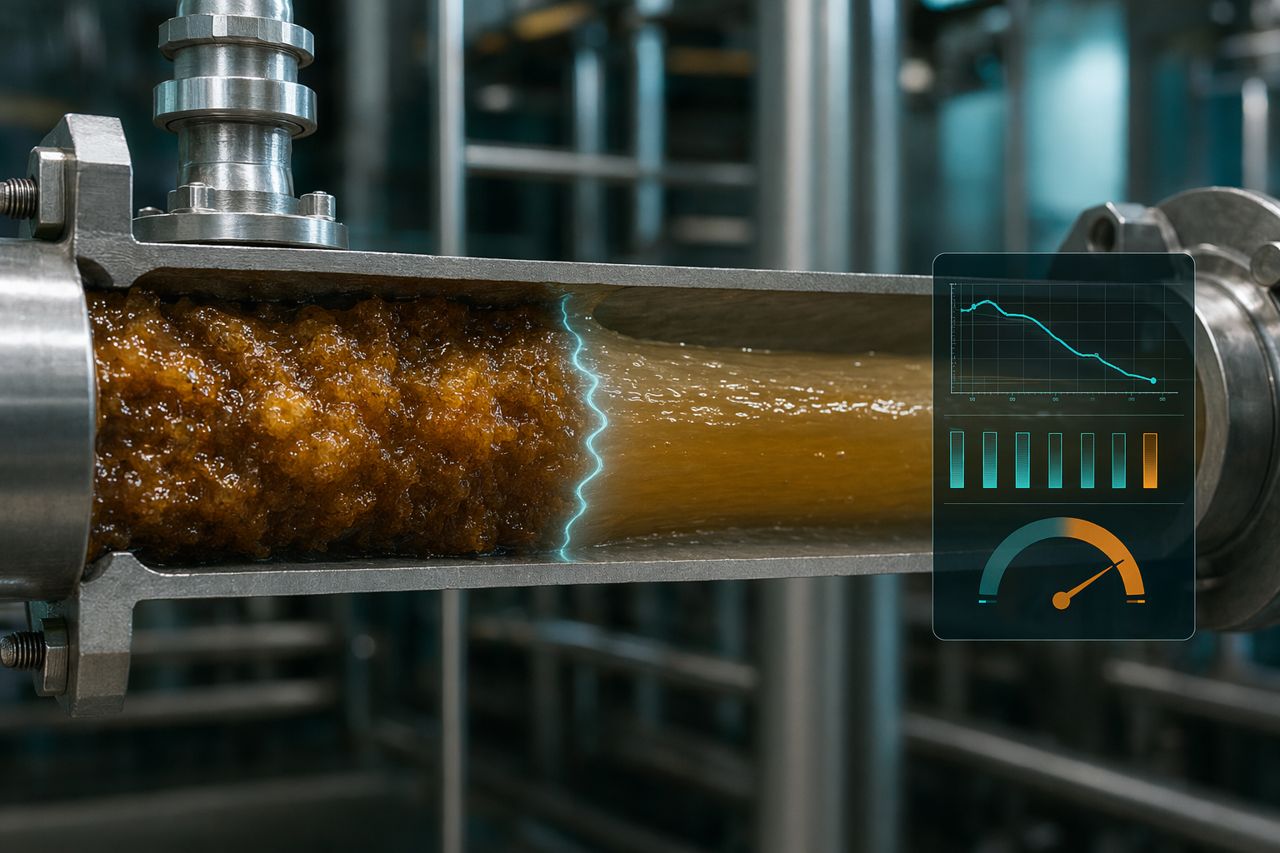
Precision mannan breakdown for smoother industrial flow.
Tell us your application and volume — we reply with pricing and lead time.
We have received your message. We will reply by email.